What Is a Personal Blind Spot?
A personal blind spot is a trait, habit, or behavior that other people notice in you, but you are unaware of yourself. These blind spots can affect relationships, self-growth, and communication.
Understanding Personal Blind Spots
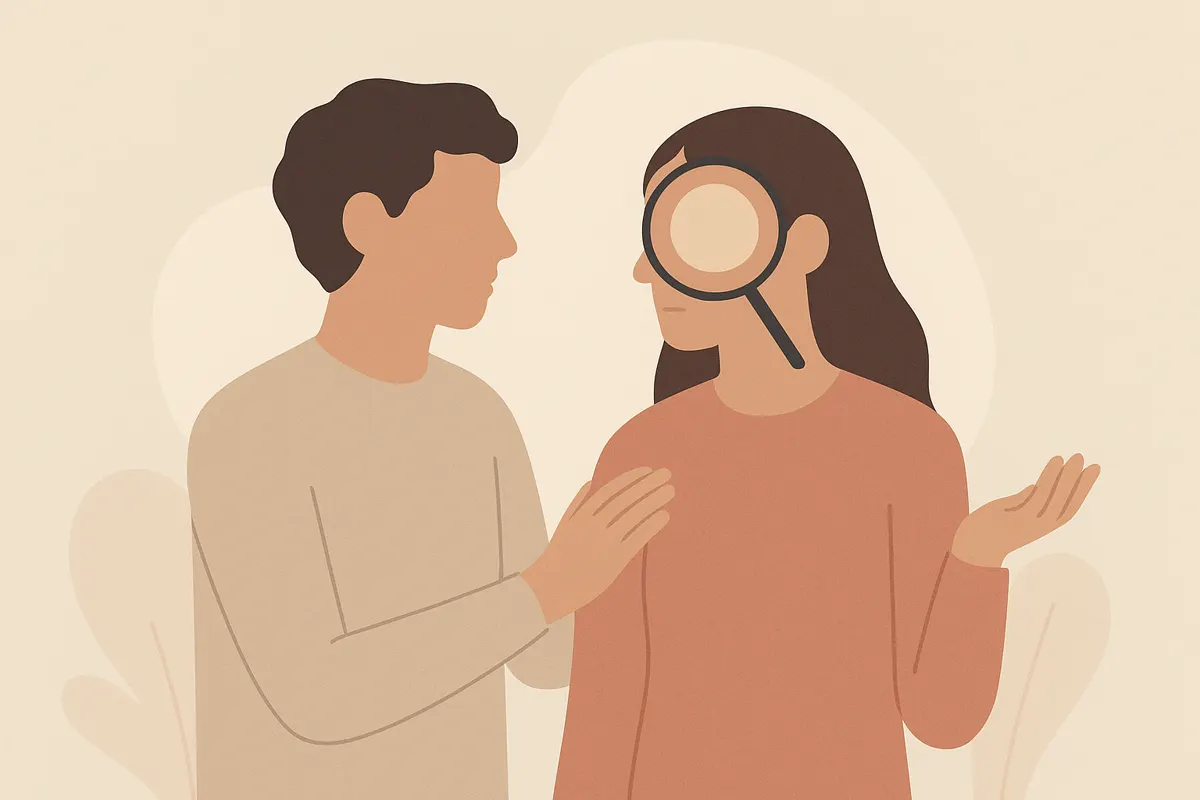
Personal blind spots are aspects of your personality or behavior that are visible to others but hidden from your own awareness. This concept comes from the Johari window model, where the 'Blind' quadrant represents what others see in you but you do not recognize in yourself. Blind spots can include communication styles, emotional reactions, or habits that impact how you are perceived.
Common Examples of Blind Spots
- Interrupting others without realizing it
- Appearing more anxious or distant than you feel
- Dominating conversations or not listening well
- Coming across as critical or dismissive unintentionally
- Underestimating your strengths or positive qualities
Why Blind Spots Matter
Blind spots can lead to misunderstandings, missed opportunities for growth, and strained relationships. If you are unaware of how you impact others, you may repeat unhelpful patterns or fail to build trust. Recognizing and addressing blind spots can help you communicate more effectively, improve your self-awareness, and strengthen your connections with others.
How to Discover Your Blind Spots
By definition, you cannot identify your own blind spots alone. Honest feedback from friends, colleagues, or family is essential. One practical approach is to use tools like Blindspot, a self-discovery app where your friends answer a short quiz about you anonymously. This allows you to see the gap between how you see yourself and how others see you, highlighting your personal blind spots in a safe, constructive way.
Taking Action on Feedback
When you learn about your blind spots, try to approach feedback with curiosity rather than defensiveness. Reflect on specific examples, ask clarifying questions if possible, and consider small changes to your habits or communication. Over time, increasing your self-awareness can help you grow and adapt more effectively.
Curious about your own blind spots? Blindspot shows you how your friends really see you - take the quiz and share it for anonymous feedback.
Try BlindspotFAQ
What is an example of a personal blind spot?
A common example is not realizing you interrupt people during conversations, even though others notice it.
Can you identify your own blind spots?
No, by definition, blind spots are hidden from your own view. Honest feedback from others is required to discover them.
Why are personal blind spots important to address?
Blind spots can affect your relationships and self-growth. Addressing them helps you communicate better and build stronger connections.
How can I find out what my blind spots are?
Ask for honest feedback from friends or use tools like Blindspot, where friends provide anonymous input about you.
What should I do after discovering a blind spot?
Reflect on the feedback, stay open-minded, and make small changes to your behavior or communication to improve.