Self-Perception vs How Others See You: What You Need to Know
There is almost always a difference between how you see yourself and how others actually perceive you. This guide explains why that gap exists and how to close it with honest feedback.
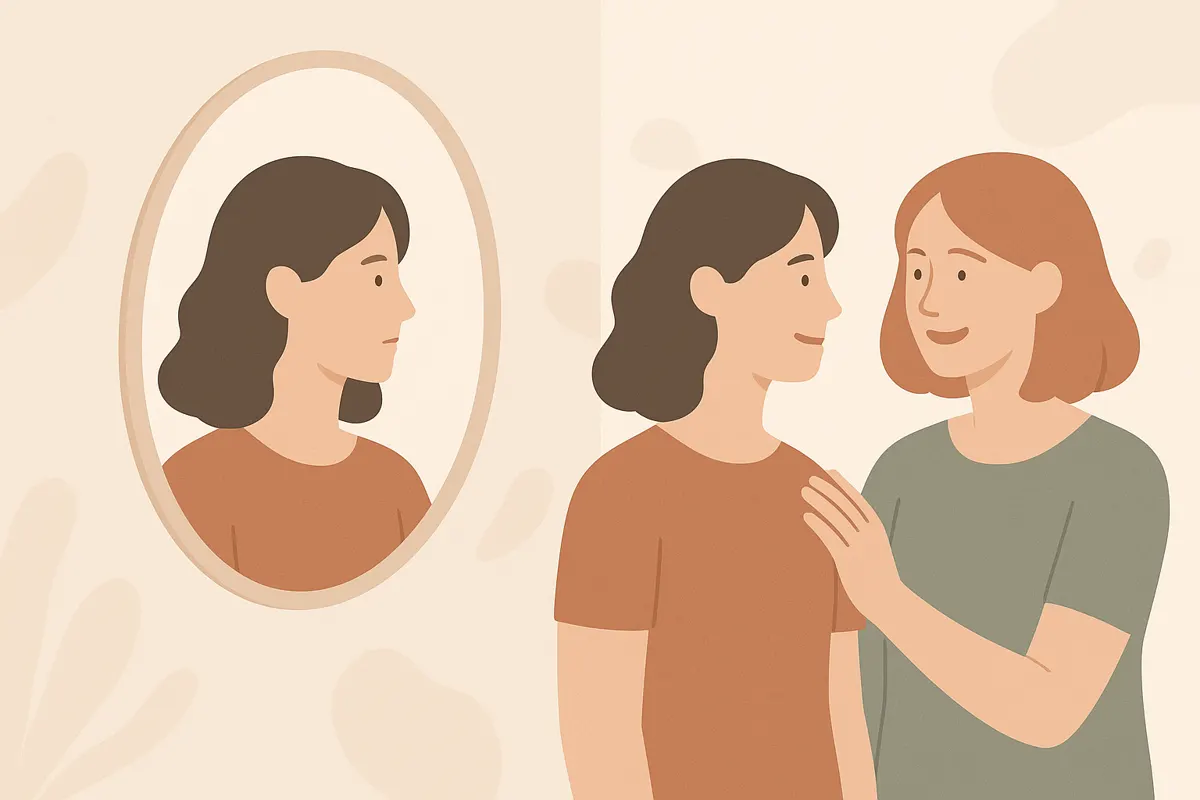
Why Self-Perception and Others' Views Often Differ
Most people believe they know how they come across, but research shows we're usually mistaken. This is known as the 'transparency illusion': we overestimate how clearly our intentions, feelings, or traits are seen by others. Our self-image is shaped by our thoughts and intentions, while others only see our actions and words.
The Johari Window: Understanding Your Blind Spots
The Johari window is a well-known psychological tool that maps the gap between what you know about yourself and what others know about you. It highlights 'blind spots' - traits that others notice but you don't. Recognizing these blind spots is essential for personal growth and better relationships.
Why Honest Feedback Is Essential
- Self-assessment alone is unreliable. Without outside input, it's easy to miss patterns in your behavior.
- Feedback from others reveals how your actions are interpreted. This helps you see yourself more accurately.
- Comparing your self-ratings with others' anonymous ratings, as in Blindspot's quiz, quickly highlights where your self-perception differs from reality.
How to Get Accurate Feedback
- Ask for feedback from a variety of people - friends, family, or colleagues.
- Encourage honesty by making feedback anonymous, so people feel safe to share what they really think.
- Reflect on feedback patterns instead of single comments. Look for recurring themes to identify real blind spots.
- You can use a tool like Blindspot: take a short quiz about yourself, and then share it for friends to answer anonymously. The app shows you where your self-view and others' views align or differ.
Using Feedback for Growth
Once you know your blind spots, you can decide which areas to work on. Honest feedback is not always easy to hear, but it is the most reliable way to improve self-awareness and strengthen your relationships.
Curious about your own blind spots? Blindspot shows you how your friends really see you - take the quiz and share it for anonymous feedback.
Try BlindspotFAQ
What causes the gap between self-perception and others' views?
The gap is mainly due to the transparency illusion: we assume others see our intentions and feelings, but they only see our actions and words.
How can I find out how others really see me?
Ask for honest feedback, ideally anonymously. Tools like Blindspot let your friends answer questions about you, revealing your blind spots.
What is the Johari window?
The Johari window is a psychological model that maps what you know about yourself and what others know, highlighting blind spots in your self-awareness.
How should I handle feedback that surprises me?
View surprising feedback as a chance to learn. Look for patterns over time and use them to improve your self-awareness and relationships.
Why is anonymous feedback more reliable?
People are more honest when their feedback is anonymous, making it easier for you to get a true picture of how you are seen by others.