How to Know Yourself Better: A Clear, Practical Guide
Knowing yourself better means understanding your values, strengths, weaknesses, triggers, and how you come across to others. Here’s how to do it in a practical, honest way.
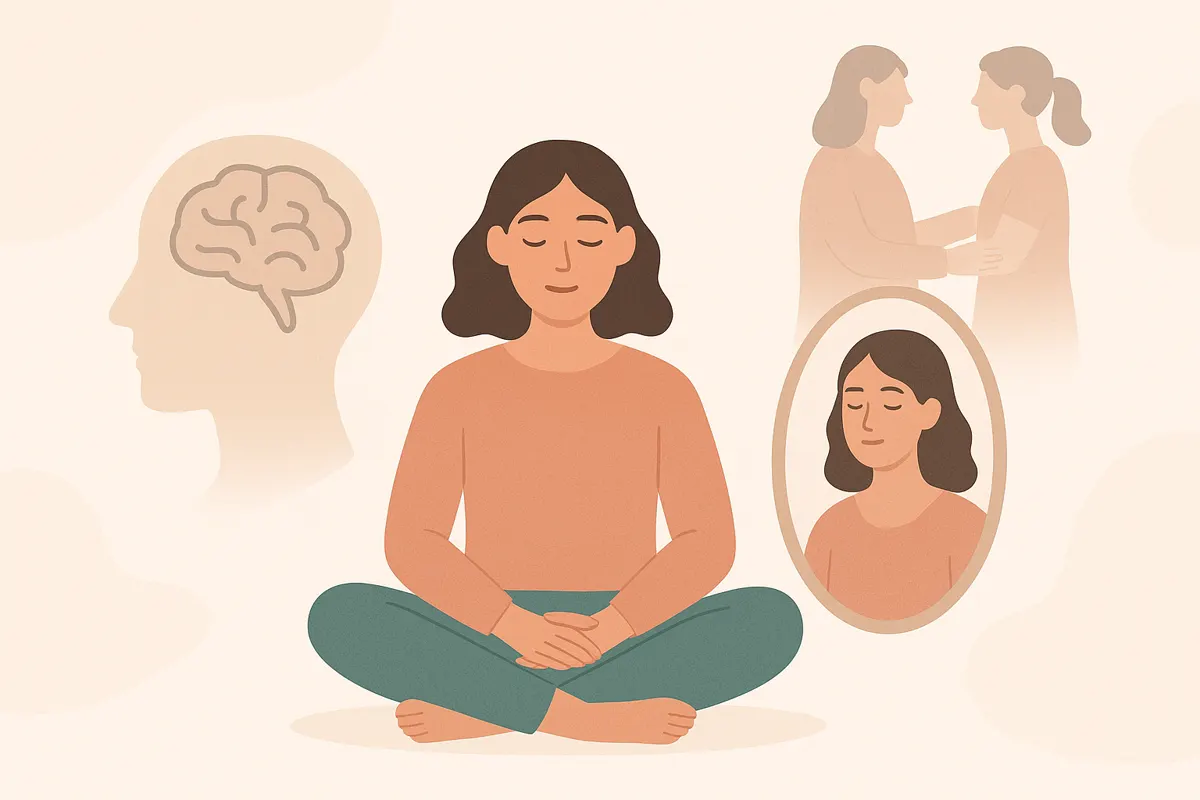
Reflect Regularly and Honestly
Set aside time each week to reflect on your recent experiences. Ask yourself: What moments made you feel most alive or drained? When did you feel proud, frustrated, or misunderstood? Journaling helps clarify your thoughts and spot recurring themes in your emotions and behaviors.
Use Personality Frameworks as Starting Points
Personality tools like the Big Five, MBTI, or Enneagram can offer useful language for describing your tendencies. Remember, these are guides, not rigid definitions. Use them to spark self-reflection, not to box yourself in. Notice which descriptions resonate and which don’t.
Seek Honest Feedback from Others
Trusted friends, family, or colleagues often see things you miss. Ask them specific questions about your strengths, habits, and how you come across. For more honest and candid insights, try a tool like Blindspot: your friends answer a short quiz about you anonymously, so you can see the gap between your self-perception and how others actually see you. This can reveal valuable blind spots for growth.
Watch for Patterns in Relationships and Reactions
- Notice when you repeatedly react strongly to certain situations or people. These patterns can signal triggers or unexamined beliefs.
- Pay attention to feedback you receive from different sources - are there consistent themes?
- Look at your closest relationships: what roles do you often play, and how do others respond to you?
Take Action and Revisit Regularly
Self-knowledge is an ongoing process. As you learn more, adjust your goals and habits. Revisit your reflections and feedback over time to track your growth and spot new patterns. Staying open and curious is key to truly knowing yourself better.
Curious about your own blind spots? Blindspot shows you how your friends really see you - take the quiz and share it for anonymous feedback.
Try BlindspotFAQ
What are the first steps to knowing myself better?
Start by reflecting on your values, strengths, and triggers. Use personality frameworks as guides and ask people you trust for honest feedback.
How can I get honest feedback about myself?
Ask trusted friends or colleagues specific questions, or use anonymous feedback tools like Blindspot to discover how others really see you.
Why is it important to notice patterns in my reactions?
Recurring reactions often reveal underlying beliefs, triggers, or blind spots. Noticing these patterns helps you understand and improve yourself.
Can personality tests help me know myself better?
Yes, but use them as starting points for reflection, not fixed labels. Their value is in sparking self-awareness, not defining you completely.
How often should I revisit my self-understanding?
Check in with yourself regularly - monthly or quarterly - to reflect on feedback, patterns, and any changes in your values or goals.