Understanding the Illusion of Transparency
The illusion of transparency is the tendency to overestimate how much others notice and understand our inner emotions and thoughts. This psychological bias can shape our self-image and social interactions in subtle but powerful ways.
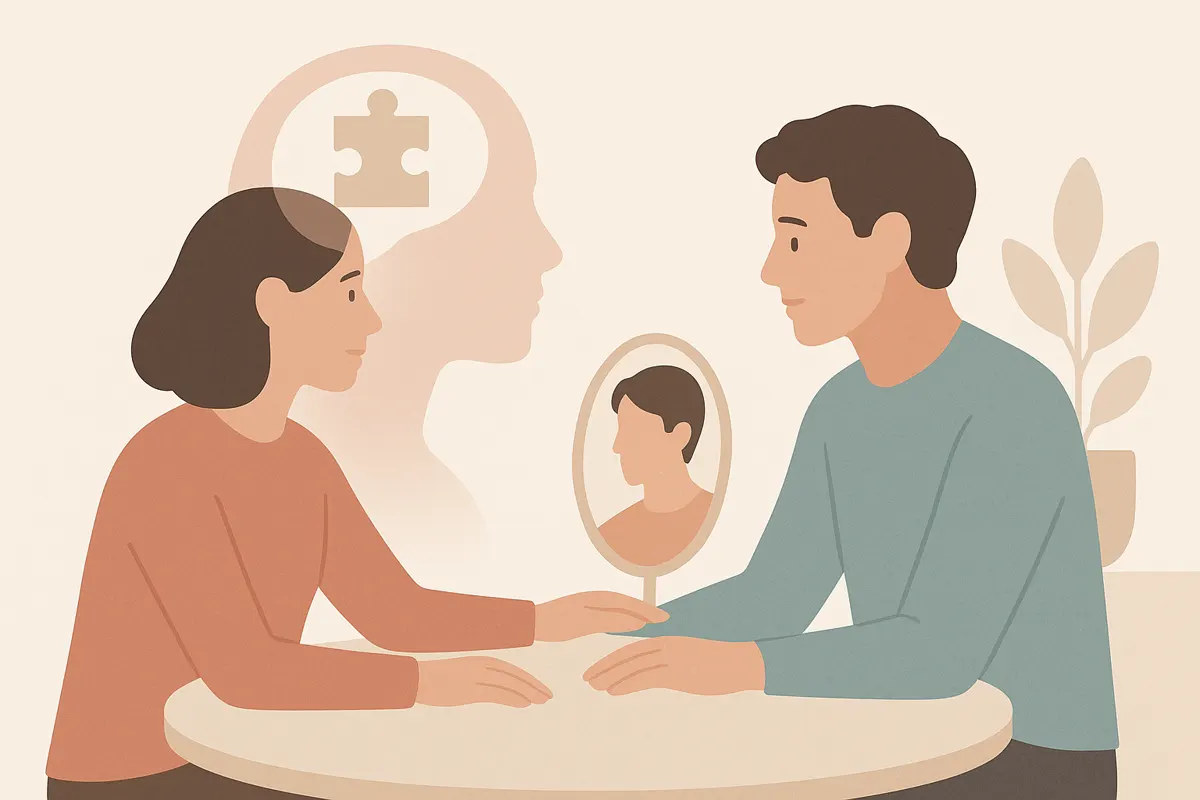
What Is the Illusion of Transparency?
The illusion of transparency is a cognitive bias where we believe our internal states - like anxiety, embarrassment, or excitement - are much more obvious to others than they really are. Research shows that people consistently overestimate how clearly their feelings and intentions are visible to those around them. In reality, most people are far less aware of what we’re experiencing than we imagine.
Why Does This Happen?
- Self-focus: We are deeply aware of our own thoughts and feelings, so it’s natural to assume others notice them too.
- Spotlight effect: This is a related bias where we think we’re the center of attention, making us even more convinced that our emotions are on display.
- Lack of external feedback: Often, we don’t get clear signals from others about what they notice, so we fill in the gaps with our own assumptions.
How the Illusion of Transparency Shapes Self-Perception
This bias can increase social anxiety and self-consciousness. For example, if you feel nervous during a presentation, you might believe your audience can see your nerves, making you even more anxious. In reality, most people are focused on their own experience and rarely pick up on subtle cues unless they are very obvious.
The illusion can also impact relationships and teamwork. You may assume your intentions or feelings are clear, but others may interpret your actions differently. This gap can lead to misunderstandings or missed opportunities for connection.
How to See Yourself More Clearly
- Reality-check your assumptions: Remind yourself that others are unlikely to notice your inner state unless you make it explicit.
- Seek honest feedback: Ask friends or colleagues how you come across in different situations. Their perspectives can reveal blind spots in your self-perception.
- Use structured tools: Apps like Blindspot let your friends give anonymous, honest feedback about how they see you. This can help you compare your self-view with how others actually perceive you, reducing the illusion of transparency and helping you grow.
Your biggest blind spots hide behind these biases. Blindspot shows you how your friends actually see you - take the quiz to compare it with how you see yourself.
Try BlindspotFAQ
What is the illusion of transparency in psychology?
It’s the tendency to overestimate how much others notice and understand your internal feelings and thoughts.
How does the illusion of transparency affect social situations?
It can increase anxiety and self-consciousness, making you believe your nerves or emotions are obvious to others when they usually aren’t.
Is the illusion of transparency related to the spotlight effect?
Yes, both involve overestimating how much others notice about us. The spotlight effect is about visibility; the illusion of transparency is about emotions and thoughts.
How can I find out how others really see me?
You can ask for honest feedback or use tools like Blindspot, where friends answer questions about you anonymously to reveal how you’re perceived.
Can the illusion of transparency be reduced?
Yes. Reminding yourself that others can’t read your mind and seeking direct feedback can help you gain a more accurate self-view.