Social Comparison Theory: What It Is and Why It Matters
Social Comparison Theory explains how we judge ourselves by comparing to others, shaping our self-image and confidence - often in ways we don't realize.
What Is Social Comparison Theory?
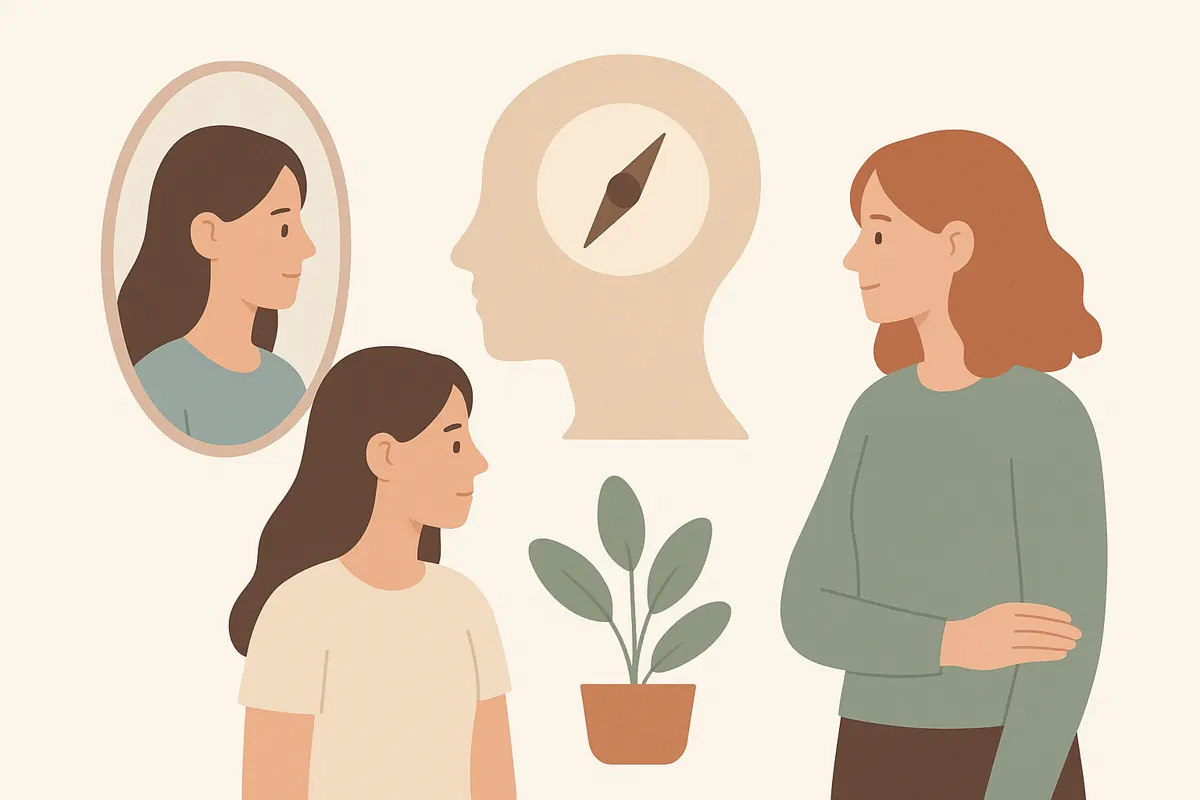
Social Comparison Theory, introduced by psychologist Leon Festinger, states that people determine their own worth and abilities by comparing themselves to others. This process is often automatic and influences how we feel about our achievements, appearance, and even our happiness.
Types of Social Comparison
- Upward Comparison: Comparing ourselves to those we see as 'better off' in some way. This can inspire us to improve, but can also lead to feelings of inadequacy or lower self-esteem if we feel we fall short.
- Downward Comparison: Comparing ourselves to those we see as 'worse off.' This can make us feel better about ourselves temporarily, but may also prevent us from recognizing areas for growth.
How Social Comparison Shapes Self-Perception
Comparisons are a natural part of how we form our identity, but they can distort our self-view - especially in the age of social media, where curated highlights make others' lives seem perfect. Frequent upward comparison online can trigger self-doubt and anxiety, while relying too much on downward comparison can create complacency or a false sense of security.
Practical Ways to Manage Social Comparison
- Be mindful of your comparison triggers, especially on social media. Consider limiting exposure to content that leaves you feeling worse about yourself.
- Focus on your own progress rather than constantly measuring yourself against others.
- Seek honest feedback from people you trust. Tools like Blindspot allow you to invite friends to anonymously share how they see you, helping you understand your real strengths and blind spots beyond your own comparisons.
- Practice self-compassion - remind yourself that everyone has strengths and weaknesses, most of which are not visible online.
Your biggest blind spots hide behind these biases. Blindspot shows you how your friends actually see you - take the quiz to compare it with how you see yourself.
Try BlindspotFAQ
What is Social Comparison Theory in simple terms?
It's the idea that we evaluate ourselves by comparing to others, which shapes how we see our abilities, appearance, and worth.
How does social media affect social comparison?
Social media increases upward comparisons by showing idealized versions of others' lives, which can distort self-perception and lower self-esteem.
Can social comparison ever be positive?
Yes, upward comparison can motivate self-improvement, and downward comparison can offer reassurance, but both have downsides if overused.
How can I get a more accurate view of myself?
Ask for honest feedback from friends, such as using Blindspot's anonymous quiz, to see how others actually perceive you.
What are signs that social comparison is affecting me negatively?
Feeling inadequate, anxious, or overly self-critical after seeing others' achievements may signal harmful social comparison.