Understanding the False Consensus Effect and Its Impact
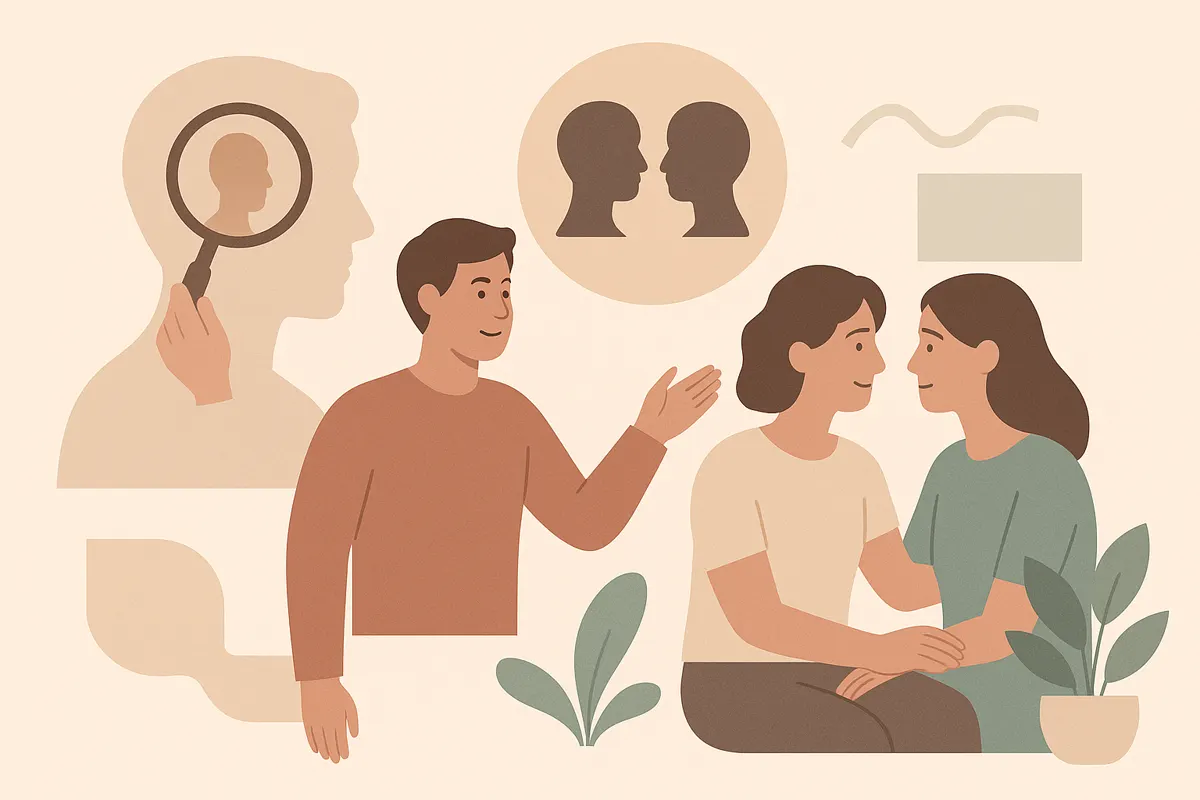
The false consensus effect is the tendency to overestimate how much others share our beliefs, behaviors, and attitudes. This psychological bias shapes how we see ourselves and others, often leading to blind spots in self-awareness.
What Is the False Consensus Effect?
The false consensus effect is a well-documented cognitive bias where people assume that their own views, habits, and reactions are more common than they actually are. For example, if you dislike a certain food, you might believe that most people dislike it too, even when that's not the case. This assumption is automatic and often unconscious.
Why Does the False Consensus Effect Happen?
- Limited perspective: We naturally focus on our own experiences and social circles, which can skew our perception of what is typical.
- Desire for validation: Believing others agree with us can make us feel more comfortable and justified in our choices.
- Cognitive shortcuts: Assuming others think like us saves mental effort, even when it leads to inaccurate conclusions.
How the False Consensus Effect Shapes Self-Perception
This bias can create blind spots. If you think your opinions or habits are the norm, you may overlook differences in how others see you or interpret your behavior. It can affect relationships, teamwork, and communication. For example, you might expect agreement where there is none, or miss valuable feedback because you assume everyone sees things your way.
How to Reduce the False Consensus Effect
- Seek diverse perspectives: Actively ask others for their thoughts and be open to disagreement.
- Question your assumptions: Notice when you automatically assume others share your views and pause to consider alternatives.
- Get honest feedback: Anonymous input from friends or colleagues can reveal blind spots. Apps like Blindspot let you see how your friends really perceive you, highlighting where your self-view and others' views differ.
Your biggest blind spots hide behind these biases. Blindspot shows you how your friends actually see you - take the quiz to compare it with how you see yourself.
Try BlindspotFAQ
What is the false consensus effect in psychology?
It's the tendency to overestimate how much other people share your beliefs, attitudes, or behaviors, leading to distorted social perception.
How does the false consensus effect affect relationships?
It can cause misunderstandings, as you might assume agreement or similarity that isn't there, leading to miscommunication or overlooked differences.
How can I spot the false consensus effect in myself?
Notice when you assume your views are 'normal' or typical without evidence, and check by asking others or getting anonymous feedback.
Can I reduce the false consensus effect?
Yes. Seek out honest opinions from others, especially anonymously, and expose yourself to diverse viewpoints to challenge your assumptions.
How does Blindspot help with the false consensus effect?
Blindspot lets your friends answer a quiz about you anonymously, showing the gap between how you see yourself and how others actually see you.