Confirmation Bias: What It Is and How It Shapes Self-Perception
Confirmation bias is the tendency to notice and favor information that supports what we already believe, while ignoring or dismissing information that challenges those beliefs. This bias affects how we see ourselves and others, often making us blind to honest feedback.
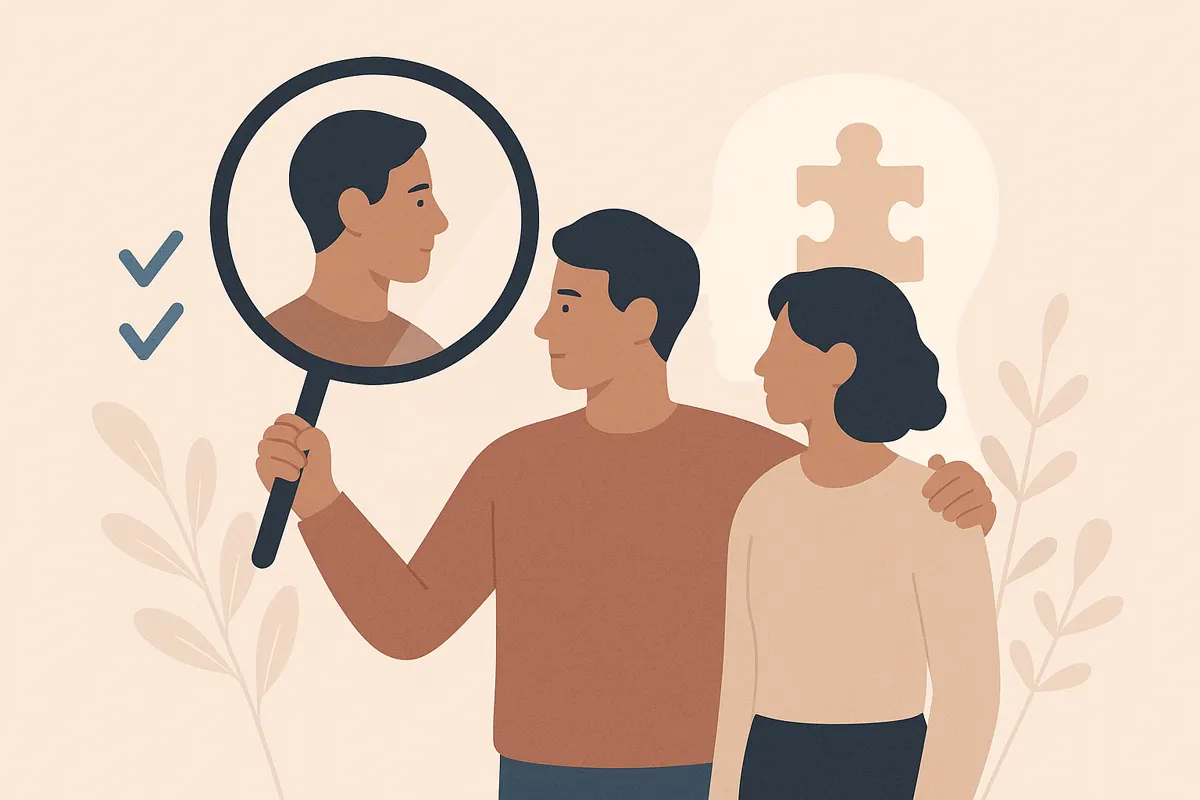
What Is Confirmation Bias?
Confirmation bias is a well-established psychological concept. It means we naturally seek out, remember, and trust information that fits our existing views. At the same time, we tend to overlook or downplay anything that contradicts our beliefs. This happens automatically, often without us realizing it.
How Confirmation Bias Affects Self-Image
We all have beliefs about our own personalities, abilities, and behaviors. When we receive feedback that matches our self-image, we accept it easily. But if feedback clashes with how we see ourselves, confirmation bias makes us more likely to dismiss or ignore it. This is a key reason why blind spots - traits or habits we don't recognize in ourselves - can persist for years.
Why It Matters in Everyday Life
- Personal growth stalls: Ignoring challenging feedback means we miss chances to improve.
- Relationships suffer: Others may see issues we don't, leading to misunderstandings.
- Workplace impact: Overlooking honest input can hold back careers and teamwork.
How to Overcome Confirmation Bias
- Actively seek out different perspectives. Ask trusted friends for honest feedback, not just agreement.
- Pause before dismissing criticism. Reflect on why feedback feels uncomfortable - could it reveal a blind spot?
- Use tools to gather anonymous input. Apps like Blindspot let your friends answer a short quiz about you anonymously, helping you see how others actually perceive you. This can reveal gaps between your self-image and reality, making it easier to spot and overcome confirmation bias.
Your biggest blind spots hide behind these biases. Blindspot shows you how your friends actually see you - take the quiz to compare it with how you see yourself.
Try BlindspotFAQ
What is confirmation bias in simple terms?
Confirmation bias is our tendency to notice and trust information that agrees with what we already believe, and ignore information that disagrees.
How does confirmation bias affect how I see myself?
It makes you accept feedback that matches your self-image and ignore feedback that doesn't, which can hide your blind spots.
Can confirmation bias be reduced?
Yes. Actively seeking honest feedback, especially anonymous input, and reflecting on uncomfortable feedback can help reduce its effects.
How can I find out how others really see me?
You can use tools like Blindspot, where friends answer a quiz about you anonymously. This reveals how others perceive you and highlights blind spots.
Why do blind spots persist even with feedback?
Confirmation bias leads us to filter out or dismiss feedback that doesn't match our self-image, so blind spots can remain hidden.