Imposter Syndrome: What It Is and How It Shapes Self-Perception
Imposter syndrome is the persistent belief that you are less competent than others think, despite real achievements. This common experience can distort how you see yourself and others.
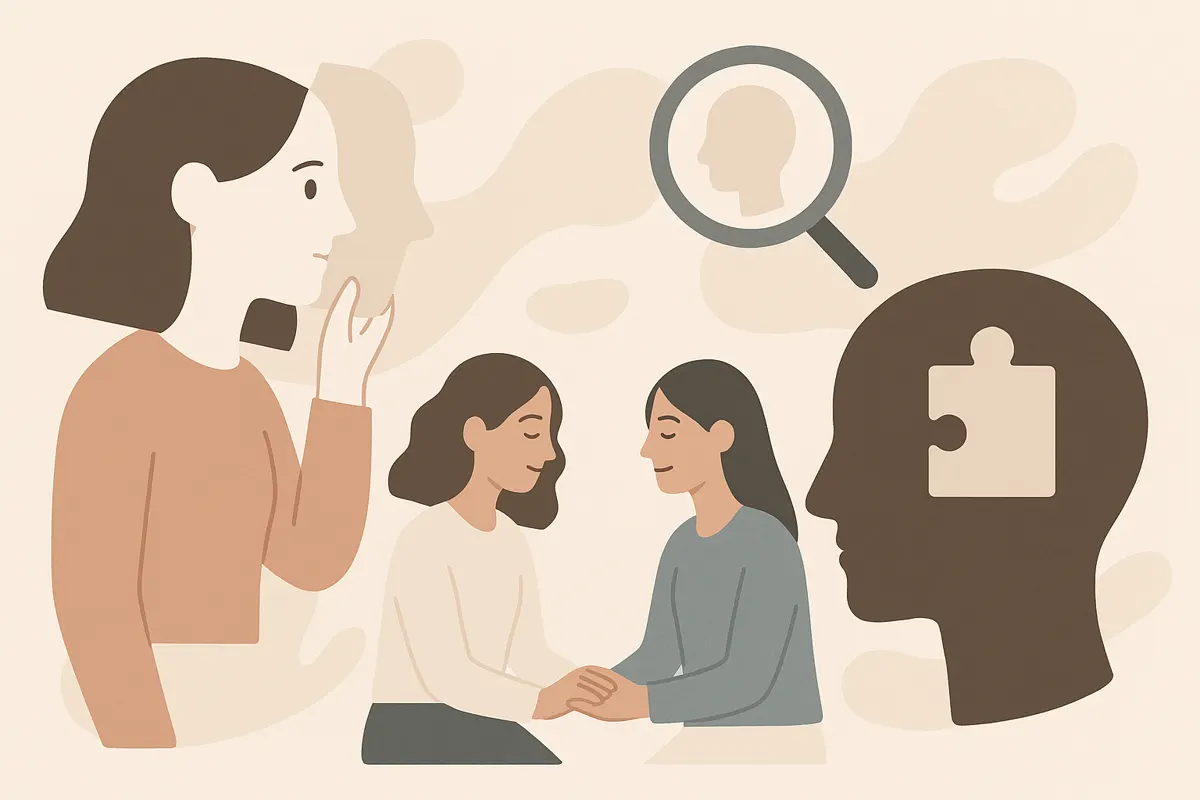
What Is Imposter Syndrome?
Imposter syndrome is a psychological pattern where individuals doubt their skills, talents, or accomplishments and fear being exposed as a 'fraud.' This feeling persists even when there is clear evidence of success. It's especially common among high achievers who set high standards for themselves.
Why Does It Happen?
- Perfectionism: Setting unrealistic standards can make any minor mistake feel like proof of inadequacy.
- Attribution Bias: People with imposter syndrome often attribute success to luck or external factors rather than their own abilities.
- Comparisons: Seeing only the strengths of others and your own weaknesses can distort self-perception.
How Imposter Syndrome Shapes Self and Others
Imposter syndrome creates a gap between how you see yourself and how others see you. You may discount your skills and feel undeserving, while others recognize your competence and achievements. This disconnect can lead to anxiety, avoidance of new opportunities, and difficulty accepting praise.
Bridging the Self-Perception Gap
- Seek Honest Feedback: Getting genuine input from others can reveal strengths you overlook. Tools like Blindspot let you invite friends to give anonymous feedback, showing how your self-view compares to how others see you.
- Reflect on Evidence: Keep a record of your accomplishments and positive feedback to remind yourself of your real abilities.
- Talk About It: Sharing these feelings with trusted friends or mentors can help normalize the experience and provide perspective.
Your biggest blind spots hide behind these biases. Blindspot shows you how your friends actually see you - take the quiz to compare it with how you see yourself.
Try BlindspotFAQ
What are common signs of imposter syndrome?
Common signs include doubting your abilities, attributing success to luck, fearing exposure as a fraud, and difficulty accepting praise.
Who experiences imposter syndrome?
Imposter syndrome is common among high achievers but can affect anyone, regardless of background or experience.
How can I tell if I have imposter syndrome?
If you regularly feel undeserving of your achievements or worry about being 'found out' despite evidence of competence, you may be experiencing imposter syndrome.
Can honest feedback help with imposter syndrome?
Yes. Honest feedback often shows that others see you as more capable than you see yourself, helping you close the perception gap.
How can I get honest feedback from friends?
You can use tools like Blindspot to have friends answer a short quiz about you anonymously and reveal how others truly see you.