How to Give Honest Feedback Kindly: Step-by-Step
To give honest feedback kindly, focus on specific behaviors, lead with care, and check how your words are received. Here’s how to do it well.
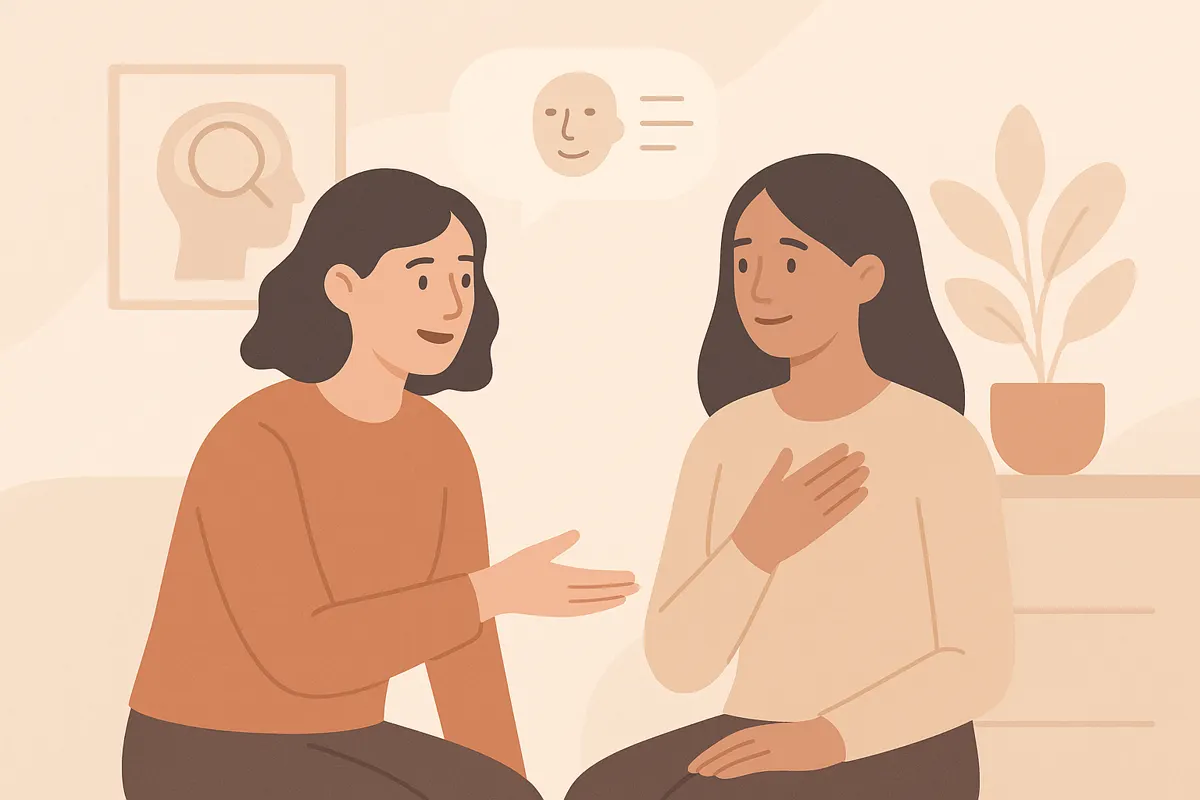
1. Be Specific and Focus on Behaviors
Instead of labeling someone’s character, describe the exact behavior you noticed. For example, say “I noticed you interrupted a few times during the meeting,” not “You’re inconsiderate.” This keeps the feedback factual and less likely to feel like a personal attack.
2. Lead With Care and Good Intentions
- Start by affirming your relationship or your respect for the person.
- Frame the feedback as a way to help them, not criticize.
- Try opening with, “I want to share something because I care about your growth.”
3. Focus on One Thing at a Time
Pick one concrete area to discuss, rather than overwhelming with a list. This makes it easier for the other person to understand and act on your feedback.
4. Check How It Landed
- After sharing, ask, “How does that sound to you?” or “Does that make sense?”
- This gives the other person space to process and respond, and shows you care about their feelings.
5. Consider Structured or Anonymous Feedback
Sometimes, honest feedback is easier to give - and receive - anonymously. Structured tools like Blindspot let your friends answer a quiz about you anonymously, showing the gap between your self-perception and how others actually see you. This can reveal blind spots in a kind, less confrontational way.
The fastest way to improve is to see your blind spots - Blindspot shows you how your friends really see you. Take the quiz.
Try BlindspotFAQ
What’s the best way to start giving feedback kindly?
Begin by affirming your positive intent and care for the person, then describe the specific behavior you noticed.
Why should feedback focus on behavior, not personality?
Focusing on behavior keeps feedback factual and actionable, making it less likely to feel like a personal attack.
How can I make sure my feedback is received well?
Check in after sharing by asking if your feedback makes sense or how it feels, and be open to their response.
Is anonymous feedback really more honest?
Research shows that structured, anonymous feedback is often both kinder and more honest than face-to-face feedback.
How can I discover my own blind spots?
Try using Blindspot: share the quiz with friends to get anonymous, structured feedback and see how others perceive you.