How to Handle Criticism Well: A Practical Guide
Handling criticism well means pausing before reacting, seeking the truth in feedback, and responding with openness. Here’s how to do it, step by step.
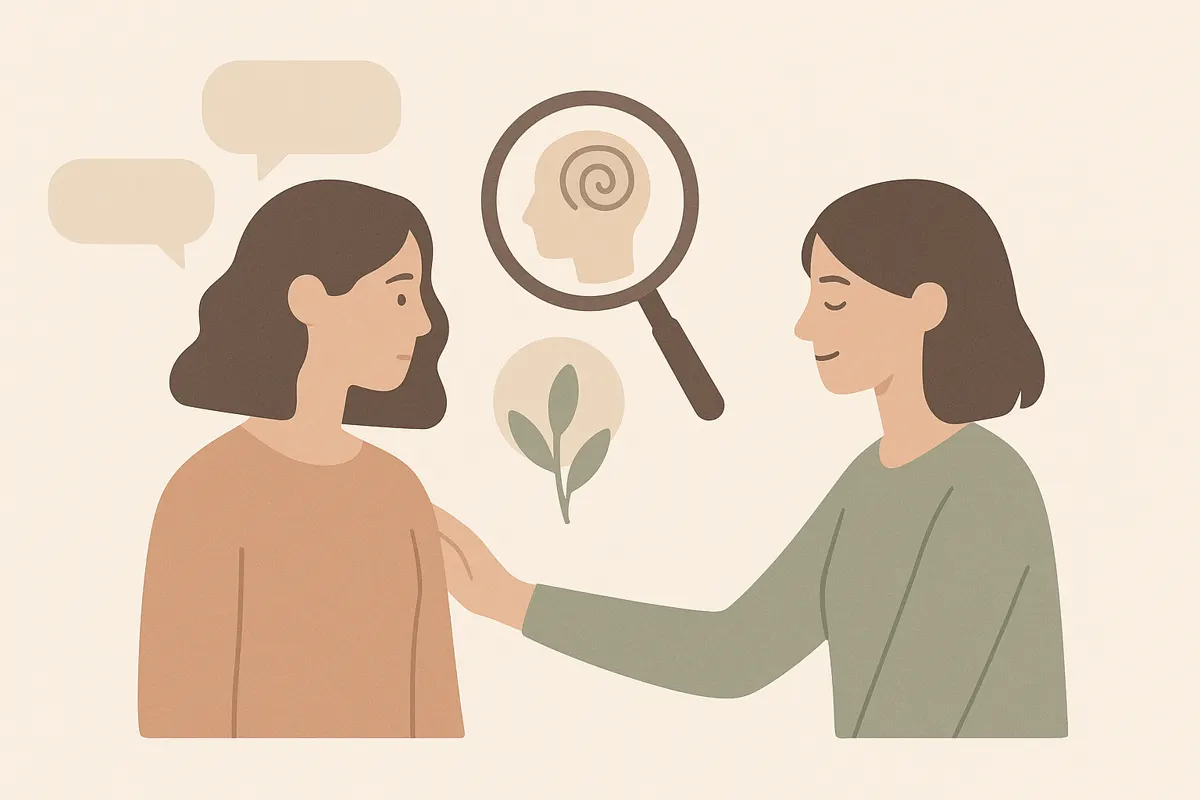
Pause Before Reacting
When you receive criticism, your first instinct might be to defend yourself. Instead, take a breath. Give yourself a moment to process what was said before you respond. This pause helps you avoid saying something you might regret and shows that you value the other person’s input.
Assume Good Intent
Most people give criticism to help, not to hurt. Start by assuming the other person wants the best for you. This mindset makes it easier to listen without feeling attacked, and it keeps the conversation constructive.
Look for the Kernel of Truth
Even if feedback stings or seems unfair, there’s often a useful insight hidden inside. Ask yourself: “Is there something here I can learn from?” Focusing on the helpful part of the criticism allows you to grow and improve.
Ask Clarifying Questions
- If something isn’t clear, ask for examples or specifics.
- Try: “Can you tell me more about what you noticed?”
- Clarifying helps you fully understand the feedback and shows that you take it seriously.
Thank Them and Decide What to Act On
Thank the person for their honesty, even if the feedback is hard to hear. Then, calmly decide what you want to change and what you’ll let go. Not all criticism will be valid, but honest feedback is the only way to see your blind spots and grow.
If you want to discover how your friends truly see you, try the Blindspot app. Your friends can answer a short quiz about you anonymously, helping you uncover your own blind spots in a safe, supportive way.
The fastest way to improve is to see your blind spots - Blindspot shows you how your friends really see you. Take the quiz.
Try BlindspotFAQ
What should I do if criticism feels unfair?
Pause before responding. Ask clarifying questions to understand their perspective, and look for any useful insight. Not all criticism needs to be acted on.
How do I avoid getting defensive when criticized?
Take a breath before reacting, assume good intent, and focus on listening. Remind yourself that honest feedback is essential for personal growth.
Why is honest feedback important?
Honest feedback helps you see your blind spots - areas where your self-perception differs from how others see you - so you can grow and improve.
How can I get more honest feedback from friends?
Ask for specific feedback and create a safe space for honesty. You can also use tools like the Blindspot app to gather anonymous input from friends.
What if I disagree with the criticism?
Thank the person for their input, reflect on it, and decide calmly if it’s something you want to act on. Not all feedback will be accurate or relevant.