How to Be Less Socially Awkward: A Practical Guide
Most social awkwardness is caused by anxiety and overthinking - people notice far less than you imagine. Here’s how to feel and act less awkward in real-life situations.
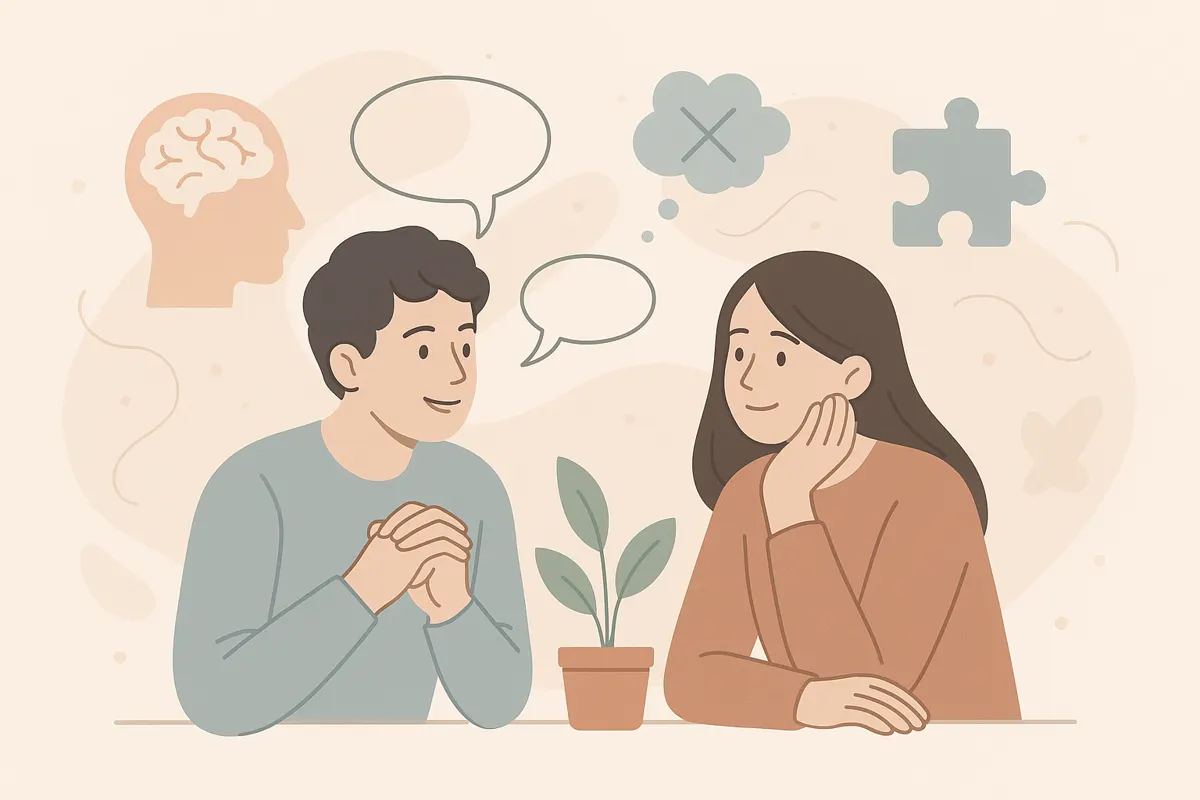
Remember the Spotlight Effect
The spotlight effect is a psychological phenomenon where we believe others notice our mistakes or awkwardness much more than they actually do. In reality, most people are focused on themselves and barely register small slip-ups. Reminding yourself of this can help you relax and be present during social interactions.
Ask Open Questions and Let Others Talk
- Instead of worrying about what to say next, shift your focus to the other person. Ask open-ended questions like “What do you enjoy doing outside work?” or “How did you get into your field?”
- Listen actively and respond with genuine interest. This takes pressure off you and helps the conversation flow naturally.
Match the Other Person’s Energy
Pay attention to the mood and energy of the person you’re speaking with. If they’re calm and quiet, lower your energy to match. If they’re enthusiastic, let yourself be a bit more expressive. This creates comfort and helps both of you feel more at ease.
Allow Small Silences
Short pauses in conversation are normal. Instead of rushing to fill every gap, allow brief silences - they give both people a moment to think and often make the exchange feel more natural. Most people don’t notice or mind small pauses.
Practice in Low-Stakes Settings
- Try starting small conversations in places where the stakes are low, such as with a barista, cashier, or neighbor. These interactions help you build confidence and reduce anxiety over time.
- Getting feedback from friends can also help you see yourself more clearly. With Blindspot, you can send an anonymous quiz to your friends and discover how others actually perceive you, making it easier to identify and address your blind spots.
The fastest way to improve is to see your blind spots - Blindspot shows you how your friends really see you. Take the quiz.
Try BlindspotFAQ
What causes social awkwardness?
Social awkwardness is often caused by anxiety and overthinking, not by real mistakes. Most people notice far less than we think.
How can I stop feeling awkward in conversations?
Focus on asking open questions, listen actively, and allow natural pauses. Remember, most people are not judging you as harshly as you fear.
Is it normal to have silences in conversation?
Yes, small silences are normal and give both people time to think. Most people don't notice or mind brief pauses.
How do I know if I seem awkward to others?
You can ask for feedback from friends or use tools like Blindspot, which lets your friends answer questions about you anonymously.
Does social awkwardness go away with practice?
Yes, practising in low-stakes situations and getting used to social settings helps reduce awkwardness over time.