Signs of Low Self-Esteem: What to Look For and How to Grow
Common signs of low self-esteem include harsh self-criticism, difficulty accepting compliments, people-pleasing, avoiding challenges, and assuming others view you negatively. Recognizing these patterns is the first step to building a healthier self-image.
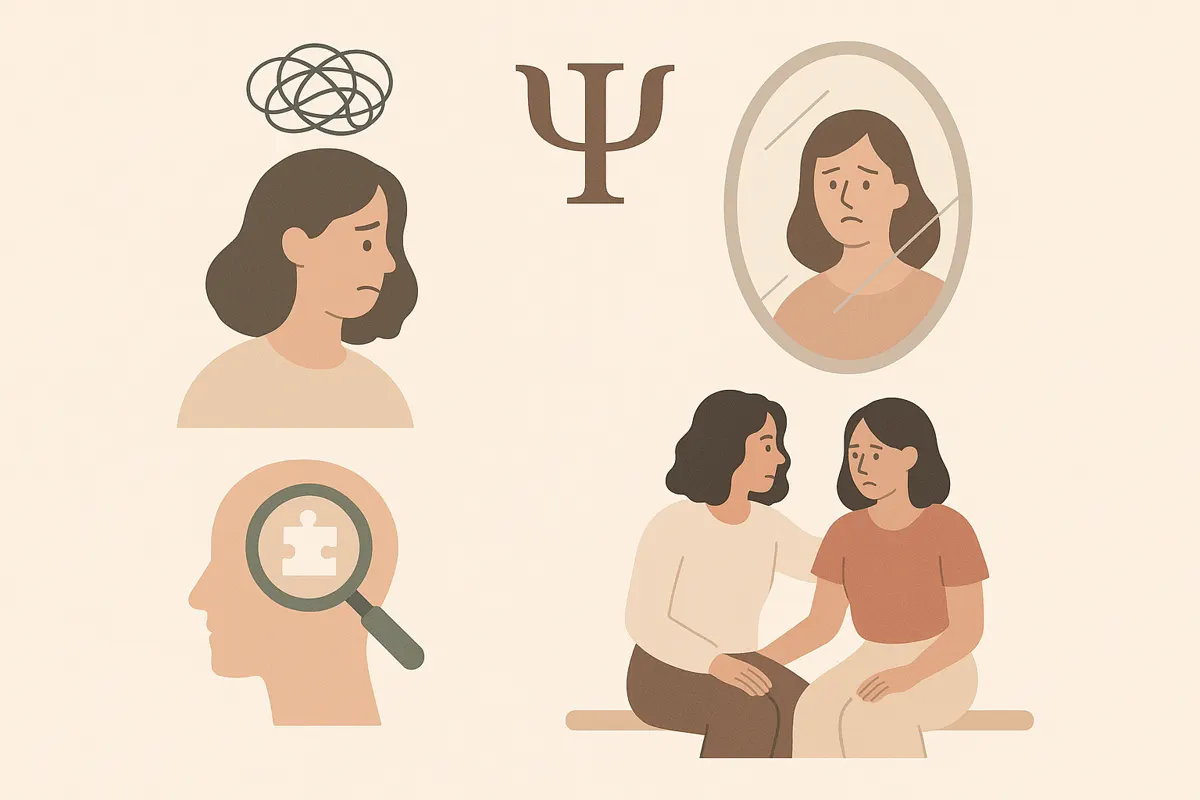
Recognizing the Signs of Low Self-Esteem
- Harsh Self-Criticism: You regularly judge yourself more severely than you would anyone else, often focusing on mistakes instead of strengths.
- Difficulty Accepting Compliments: When someone says something positive about you, you tend to dismiss or deflect it, feeling uncomfortable or undeserving.
- People-Pleasing: You find yourself saying yes to others even when it costs you, or you constantly seek approval to feel worthwhile.
- Avoiding Challenges: You might shy away from new opportunities or risks because you fear failure or believe you’re not capable.
- Constant Comparisons: You often measure yourself against others, usually feeling you come up short.
- Assuming Others Think Badly of You: You may believe people are judging you harshly, even when there’s no evidence.
Why Your Self-Image Might Be Inaccurate
Many people with low self-esteem have a self-image that is much harsher than how others actually see them. Your mind may focus on flaws or mistakes, while friends and colleagues notice strengths and positive qualities you overlook.
Getting honest, outside feedback can reveal this gap and help you see yourself more clearly. Blindspot lets you ask your friends how they see you, anonymously, so you can compare your own view with theirs. This can be a powerful step in challenging inaccurate self-beliefs.
Practical Steps to Improve Self-Esteem
- Notice Your Self-Talk: When you catch yourself being self-critical, pause and ask if you’d say the same to a friend.
- Practice Accepting Compliments: Try simply saying “thank you” when someone gives you praise, even if it feels uncomfortable.
- Set Boundaries: Practice saying no when you need to. It’s okay to prioritize your own needs sometimes.
- Challenge Negative Assumptions: If you assume others think badly of you, look for real evidence. Often, these thoughts are not accurate.
- Seek Honest Feedback: Ask friends or use tools like Blindspot to get a more balanced view of how others see you.
When to Seek Extra Support
If low self-esteem is affecting your mood, relationships, or daily life, consider reaching out to a mental health professional. Support from a therapist can help you understand and shift long-standing patterns.
A lot of low confidence is a distorted self-image. Blindspot shows you how your friends really see you - usually far kinder than you expect. Take the quiz.
Try BlindspotFAQ
What are the main signs of low self-esteem?
Key signs include harsh self-criticism, difficulty accepting compliments, people-pleasing, avoiding challenges, frequent comparisons, and assuming others think badly of you.
Can outside feedback help improve self-esteem?
Yes. Honest feedback from people who know you can reveal strengths you may overlook and challenge inaccurate negative beliefs about yourself.
How can I stop being so self-critical?
Notice your negative self-talk and ask if you’d say the same to a friend. Practice self-compassion and challenge harsh thoughts with real evidence.
Why do I struggle to accept compliments?
Low self-esteem can make compliments feel undeserved or uncomfortable. Practicing simply saying “thank you” can help you start to accept positive feedback.
How can I find out how my friends really see me?
You can use tools like Blindspot to invite friends to share anonymous feedback, letting you see the gap between your self-image and how others perceive you.