How to Be More Assertive: Steps That Actually Help
Assertiveness means stating your needs and boundaries clearly and respectfully, finding a healthy balance between passive and aggressive communication.
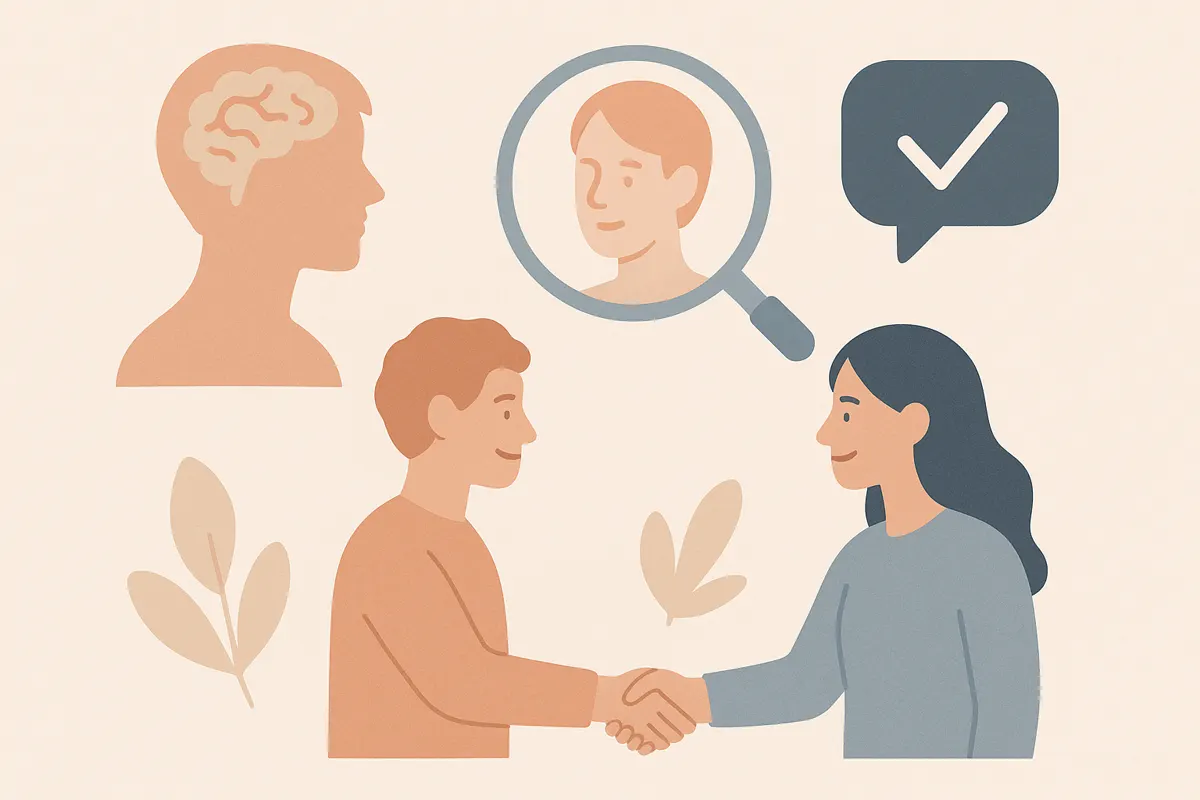
What Assertiveness Really Is (and Isn’t)
Assertiveness is the ability to express your thoughts, needs, and boundaries directly - without being passive or aggressive. It’s not about dominating a conversation or avoiding conflict, but about communicating honestly and respectfully. Assertive people use clear language, stand by their values, and listen to others, which builds mutual respect.
Step-by-Step: How to Practice Assertiveness
- Use “I” Statements: Frame your needs from your own perspective. For example, “I feel overwhelmed when meetings run late.” This reduces defensiveness and clarifies your feelings.
- Be Specific: State exactly what you need or want. Instead of “I need help,” try “I need you to review this report by Friday.”
- Say No Without Over-Explaining: You don’t have to give lengthy justifications. A simple “No, I can’t do that” is enough.
- Hold the Boundary Calmly: If someone pushes back, restate your position without raising your voice or apologizing excessively. “I understand, but I’m not available.”
- Start Small: Practice in low-stakes situations, like declining a small favor or suggesting a restaurant. Build confidence gradually.
Common Challenges and How to Overcome Them
It’s normal to feel discomfort or guilt at first, especially if you’re used to being passive. Remind yourself that assertiveness is not selfishness - it’s a healthy form of self-respect. If you worry about coming off as aggressive, focus on your tone and body language: stay calm, make eye contact, and keep your voice steady.
Get Real Feedback on How You Come Across
Sometimes, it’s hard to know if you’re being too passive, too aggressive, or just right. Blindspot can help: ask your friends to take a short, anonymous quiz about how they see your communication style. You’ll see where your self-perception matches (or differs from) how others experience you, giving you insight into your blind spots and helping you practice assertiveness with real feedback.
A lot of low confidence is a distorted self-image. Blindspot shows you how your friends really see you - usually far kinder than you expect. Take the quiz.
Try BlindspotFAQ
What is the difference between assertive and aggressive behavior?
Assertive behavior is clear and respectful; aggressive behavior disregards others' feelings or rights. Assertiveness builds respect, not conflict.
How can I say no without feeling guilty?
Remind yourself that saying no is a healthy boundary. Keep your response brief and respectful; you don’t need to over-explain or apologize excessively.
What are some examples of assertive communication?
Examples include: “I need more time to finish this project,” or “I’m not comfortable with that.” Use direct, calm language focused on your needs.
How do I know if I’m actually being assertive?
Ask for honest feedback from friends or use tools like Blindspot to see if your self-view matches how others perceive your communication style.
Can assertiveness be learned?
Yes, assertiveness is a skill you can practice and improve over time, starting with small steps and real-world feedback.