How to Handle Rejection: Steps That Actually Help
Rejection is a normal part of life, and learning to handle it well can help you grow stronger and more resilient. Here’s how to navigate it in a practical, healthy way.
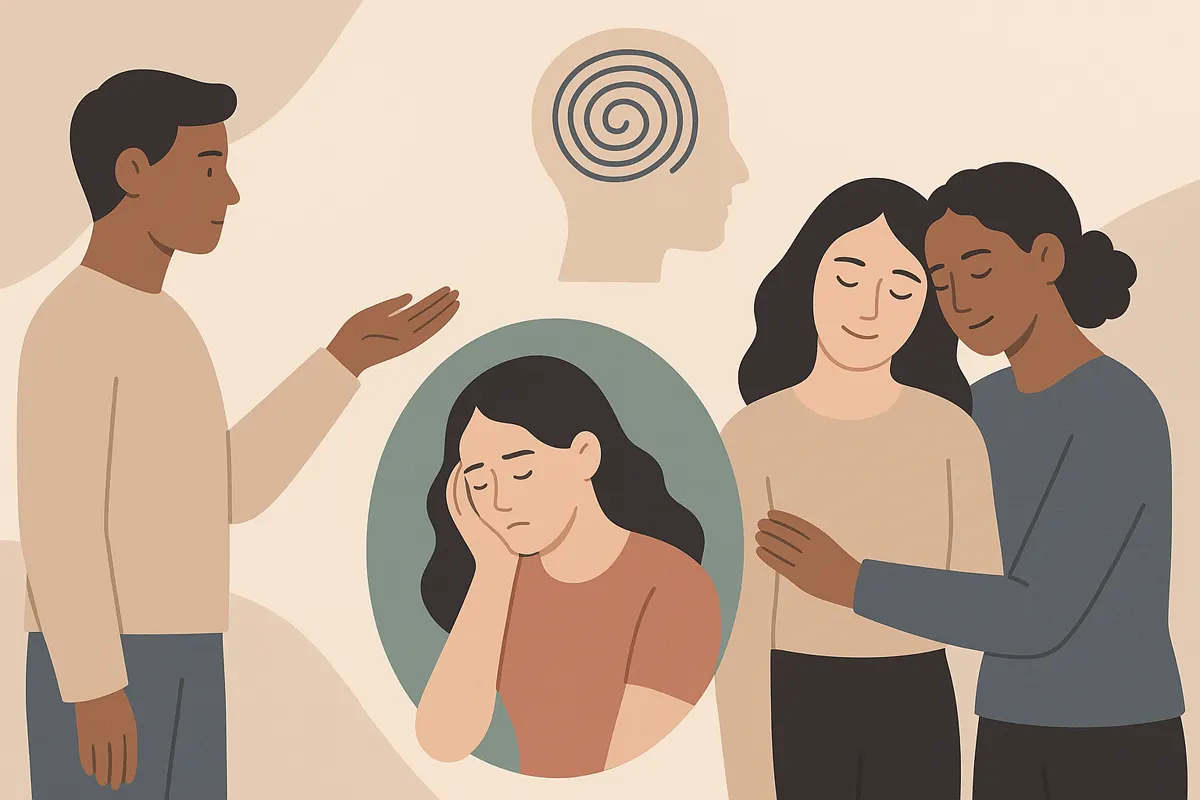
1. Allow Yourself to Feel - But Don’t Catastrophise
It’s natural to feel hurt, disappointed, or embarrassed after rejection. Let yourself experience these emotions, but try not to turn them into sweeping conclusions about your future or self-worth. Remind yourself that this is one event, not a prediction or a permanent label.
2. Separate the Event from Your Self-Worth
Rejection often feels personal, but it usually reflects fit or timing rather than your value as a person. Avoid negative self-talk like “I’m not good enough.” Instead, remind yourself: “This didn’t work out, but it doesn’t define me.”
3. Look for Useful Lessons - Without Over-Blaming Yourself
- Ask yourself: Is there specific feedback I can use?
- Be honest, but don’t dwell on flaws or mistakes that aren’t relevant.
- Sometimes, the lesson is simply that the opportunity wasn’t the right fit.
If you want a clearer picture of how others see you, try sharing a Blindspot quiz with your friends. Their anonymous feedback can highlight strengths or blind spots you may not notice, helping you grow without guesswork.
4. Take Small, Positive Actions
Resilience grows when you keep moving forward. Take one small step - apply again, ask for feedback, try a new approach, or reach out to someone else. Each action makes rejection feel less final and builds your confidence over time.
5. Remember: Rejection Is Common and Survivable
Everyone faces rejection, from job interviews to relationships. What matters most is how you respond. By processing your feelings, separating the event from your self-worth, and staying open to learning, you’ll handle rejection with more confidence and less fear.
A lot of low confidence is a distorted self-image. Blindspot shows you how your friends really see you - usually far kinder than you expect. Take the quiz.
Try BlindspotFAQ
Why does rejection feel so painful?
Rejection triggers the same brain regions as physical pain. It’s a normal response, but the discomfort usually fades with time and self-compassion.
How can I stop taking rejection personally?
Remind yourself that rejection is usually about fit or timing, not your worth. Focus on the facts and avoid negative self-talk.
What if I keep getting rejected?
Frequent rejection can be tough. It helps to seek honest feedback, reflect on patterns, and keep taking small steps forward. Growth often comes from persistence.
How can I learn from rejection without blaming myself?
Look for specific, actionable feedback. Focus on what you can control, but don’t assume every rejection means you did something wrong.
How can Blindspot help me handle rejection?
Blindspot lets your friends give you anonymous feedback, so you can see how others perceive you and discover strengths or blind spots you might miss.