How to Overcome Social Anxiety: Practical Steps That Actually Help
Overcoming social anxiety is possible with practical, evidence-based strategies. Here’s how to start making real progress and feel more comfortable in social situations.
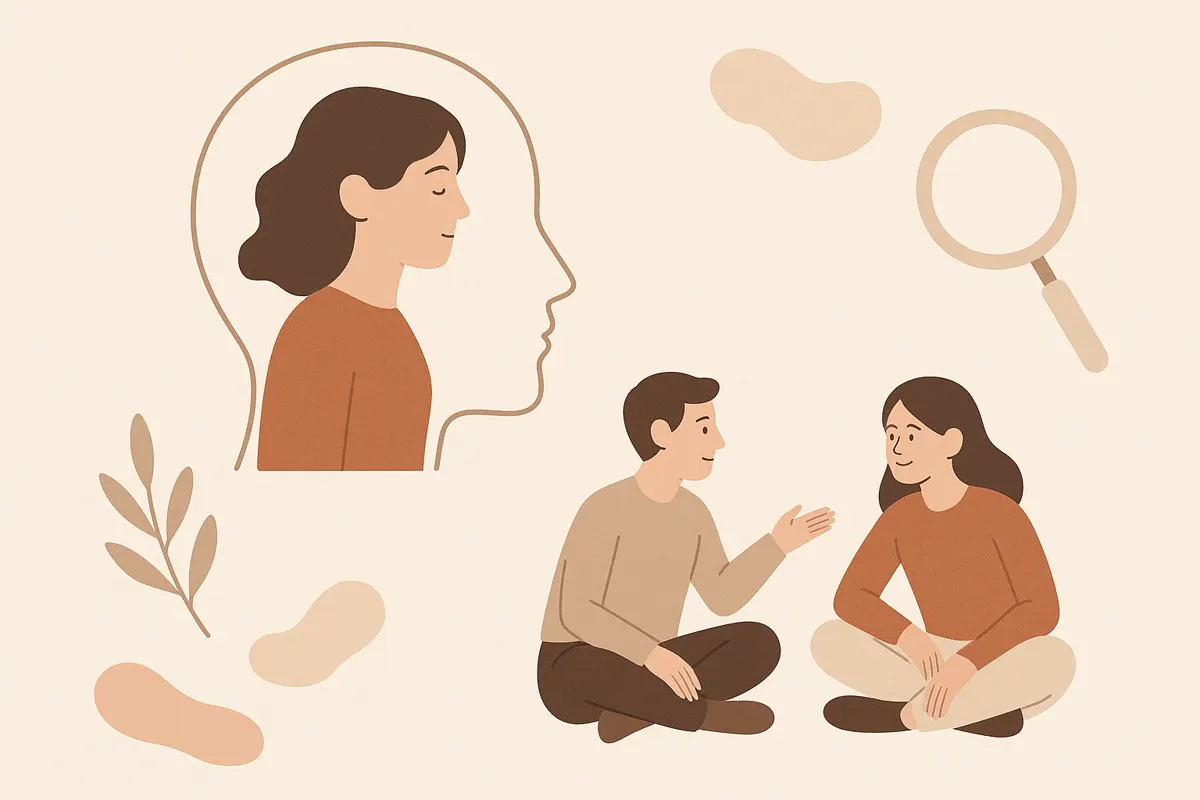
Understand What Drives Social Anxiety
Social anxiety often comes from overestimating how much others notice or judge us (the spotlight effect) and expecting the worst in social situations. Knowing these patterns is key to breaking the cycle.
Start with Gradual Exposure
- Begin with small, manageable social tasks that make you slightly uncomfortable, like making brief eye contact or saying hello.
- Gradually increase the difficulty over time, such as joining a group conversation or attending a social event.
- Don't avoid situations entirely - each exposure helps your brain learn that feared outcomes rarely happen.
Shift Your Attention Outward
When anxious, it’s easy to focus on your own nerves. Instead, direct your attention to the conversation, the people you’re with, or your surroundings. Try to listen closely or ask questions - this reduces self-consciousness and helps you connect.
Drop Safety Behaviours
- Notice habits like rehearsing sentences, avoiding eye contact, or sticking to the edge of the room.
- Gradually experiment with letting go of these habits. You'll learn that things usually go better than you expect, even without these “safety nets.”
Challenge Catastrophic Predictions
Write down your worst-case social fears, then compare them to what actually happens. Over time, you’ll see that most fears don’t come true, and even awkward moments pass quickly.
Get Honest, Supportive Feedback
It’s common to misjudge how others see us. With Blindspot, you can invite friends to answer a short anonymous quiz about you, revealing the gap between your self-perception and how others actually see you. This can help challenge negative assumptions and foster self-acceptance.
When to Seek Professional Help
If social anxiety feels overwhelming or stops you from living your life, consider reaching out to a therapist trained in cognitive-behavioral therapy (CBT). CBT is highly effective for social anxiety and provides support tailored to your needs.
A lot of low confidence is a distorted self-image. Blindspot shows you how your friends really see you - usually far kinder than you expect. Take the quiz.
Try BlindspotFAQ
What are the first steps to overcoming social anxiety?
Start with small exposures to social situations, shift your focus outward, and challenge negative predictions. Gradual practice leads to real change.
How can I tell if my social anxiety is severe enough for therapy?
If anxiety keeps you from important life activities or causes significant distress, a therapist (especially one trained in CBT) can help you make faster progress.
What is the spotlight effect in social anxiety?
The spotlight effect is the tendency to overestimate how much others notice or judge us. Recognizing this can reduce self-consciousness.
How does Blindspot help with social anxiety?
Blindspot lets you see how your friends actually perceive you, helping to challenge negative self-beliefs and close the gap between self-image and reality.
What are safety behaviours and why should I drop them?
Safety behaviours are habits used to hide anxiety, like avoiding eye contact. Dropping them helps you learn that feared outcomes rarely happen.