How to Be More Empathetic: Practical Steps for Real Life
Empathy is the ability to understand and share another person's feelings. You can become more empathetic by practicing specific skills and seeking honest feedback.
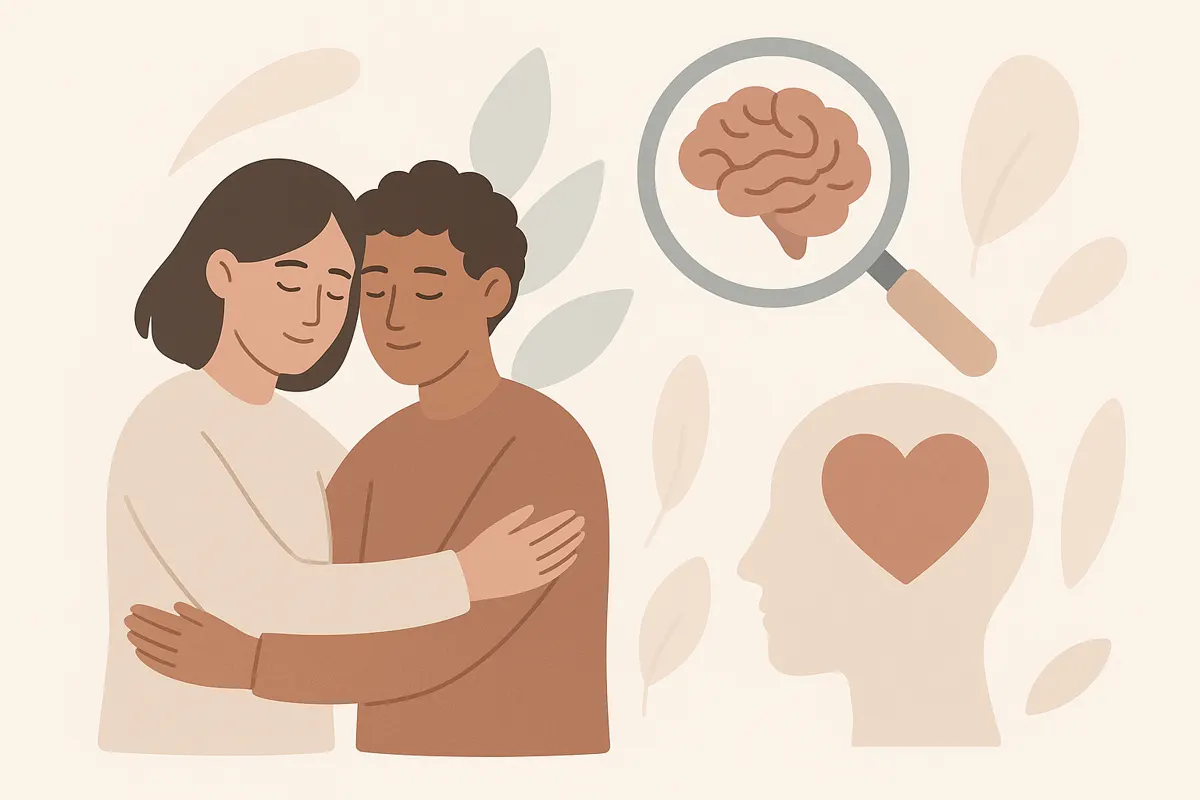
1. Listen to Understand, Not to Respond
Empathetic listening means focusing fully on the other person without planning your reply. Make eye contact, put away distractions, and let them finish before you respond. Reflect back what you heard to show you understand.
2. Imagine Their Perspective
Try to put yourself in the other person's shoes. Ask yourself: What might they be feeling right now? What experiences could have led them here? This mental exercise helps you respond with care instead of judgment.
3. Validate Feelings Before Offering Solutions
- Recognize and name the emotion you see: "That sounds really frustrating."
- Show acceptance: "It's understandable to feel that way."
- Hold off on advice until they feel heard.
4. Ask Thoughtful Questions
Open-ended questions invite people to share more: "How did that make you feel?" or "What was that experience like for you?" Genuine curiosity deepens connection and understanding.
5. Notice Non-Verbal Cues
Pay attention to body language, tone of voice, and facial expressions. Sometimes emotions are communicated without words. If something feels off, gently ask or acknowledge: "You seem quiet today - want to talk about it?"
6. Get Honest Feedback on How You Come Across
Empathy grows with practice and feedback. Tools like Blindspot let you invite friends to answer a short quiz about you anonymously, so you can see how your self-perception matches how others experience you. This insight can reveal blind spots and help you strengthen your empathy skills.
The fastest way to improve is to see your blind spots - Blindspot shows you how your friends really see you. Take the quiz.
Try BlindspotFAQ
What are the first steps to becoming more empathetic?
Start by listening without interrupting, trying to see things from the other person's point of view, and validating their feelings before offering advice.
Why is feedback important for empathy?
Feedback helps you understand how others perceive your actions, revealing blind spots and giving you a chance to improve your empathy skills.
How can I practice empathy daily?
Ask open questions, notice non-verbal cues, and check in with friends about how you make them feel. Regular practice builds lasting habits.
Can I measure my empathy with an app?
You can use tools like Blindspot, where friends give anonymous feedback about you, helping you see how empathetic you come across to others.
What if I struggle to relate to someone's feelings?
It's normal. Try to listen fully, ask gentle questions, and acknowledge their emotions, even if you don't fully understand their experience.