Real Friends vs Fake Friends: How to Tell the Difference
Real friends support you consistently and reciprocate effort, while fake friends are only around when it's convenient for them. Knowing the difference helps you build healthier, more genuine relationships.
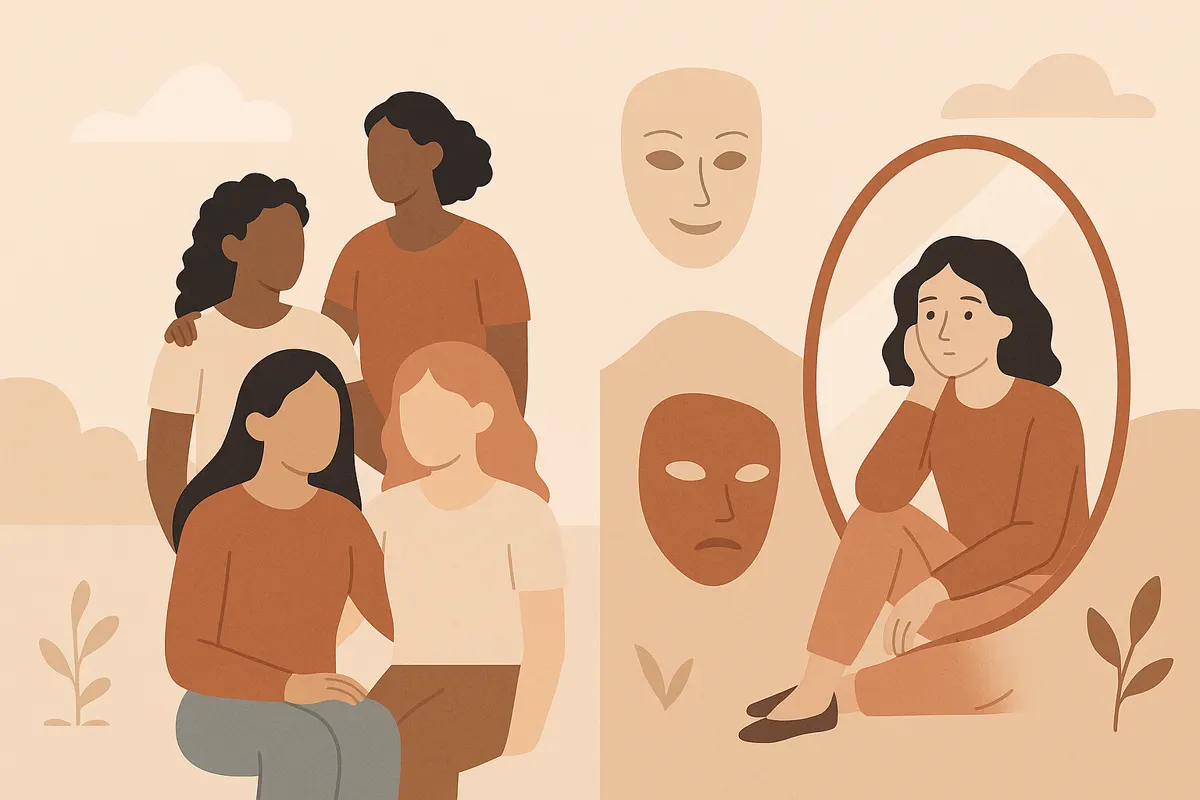
Key Signs of Real Friends
- Consistency: Real friends show up, even during tough times - not just when it suits them.
- Honest Communication: They tell you the truth, even when it’s hard, and offer constructive feedback.
- Reciprocity: Effort goes both ways. Real friends give support and expect it in return.
- Genuine Happiness for You: They celebrate your successes without jealousy or competition.
How Fake Friends Behave
- Convenience-Based: Fake friends appear when they need something or when it benefits them.
- Competitive Attitude: They may downplay your achievements or try to one-up you.
- Talking Behind Your Back: Instead of addressing issues directly, they gossip or spread negativity.
- Imbalance: You find yourself giving more than you get, and your needs are often ignored.
The Reciprocity Test
The most reliable way to tell real friends from fake ones is to notice how effort is exchanged over time. Ask yourself: do they reach out, listen, and support you when you’re not in a position to help them? Or do they disappear when you’re not useful to them? Consistent, mutual effort is the hallmark of a real friendship.
What To Do If You Suspect a Fake Friend
- Reflect: Notice patterns - do you feel drained or unsupported after interactions?
- Set Boundaries: Protect your time and energy. It's okay to say no.
- Communicate: If you value the friendship, express your feelings honestly and see if things improve.
- Focus on Real Connections: Invest in relationships where trust, honesty, and support are mutual.
Get Honest Feedback with Blindspot
Sometimes, it's hard to see how your friends really feel about you. With the Blindspot app, you can invite your friends to answer a short, anonymous quiz about you. This can reveal how they truly see you and help you identify which friendships are genuine, based on honest feedback - not just assumptions.
Wondering how your friends really feel about you? Blindspot turns their anonymous answers into honest insight. Take the quiz.
Try BlindspotFAQ
What are the main differences between real friends and fake friends?
Real friends are consistent, honest, supportive, and reciprocate effort. Fake friends are only around when it benefits them, compete with you, talk behind your back, and take more than they give.
How do I know if my friend is real or fake?
Look for reciprocity, honesty, and support, especially when you have nothing to offer. If your friend disappears when you need them, they may not be a real friend.
What should I do if I realize I have fake friends?
Reflect on the relationship, set boundaries, communicate your feelings, and focus on nurturing genuine connections where support goes both ways.
Can Blindspot help me find out what my friends really think of me?
Yes, by sharing the Blindspot quiz, you can receive anonymous feedback from your friends to better understand how they truly see you.
Why is reciprocity important in friendship?
Reciprocity ensures that both people give and receive support, creating a healthy and balanced relationship over time.