How to Deal With a Toxic Friend: Warm, Practical Advice
To deal with a toxic friend, clearly name their behavior, set boundaries, and decide if the friendship can improve or if you need distance.
Recognize Toxic Behaviors
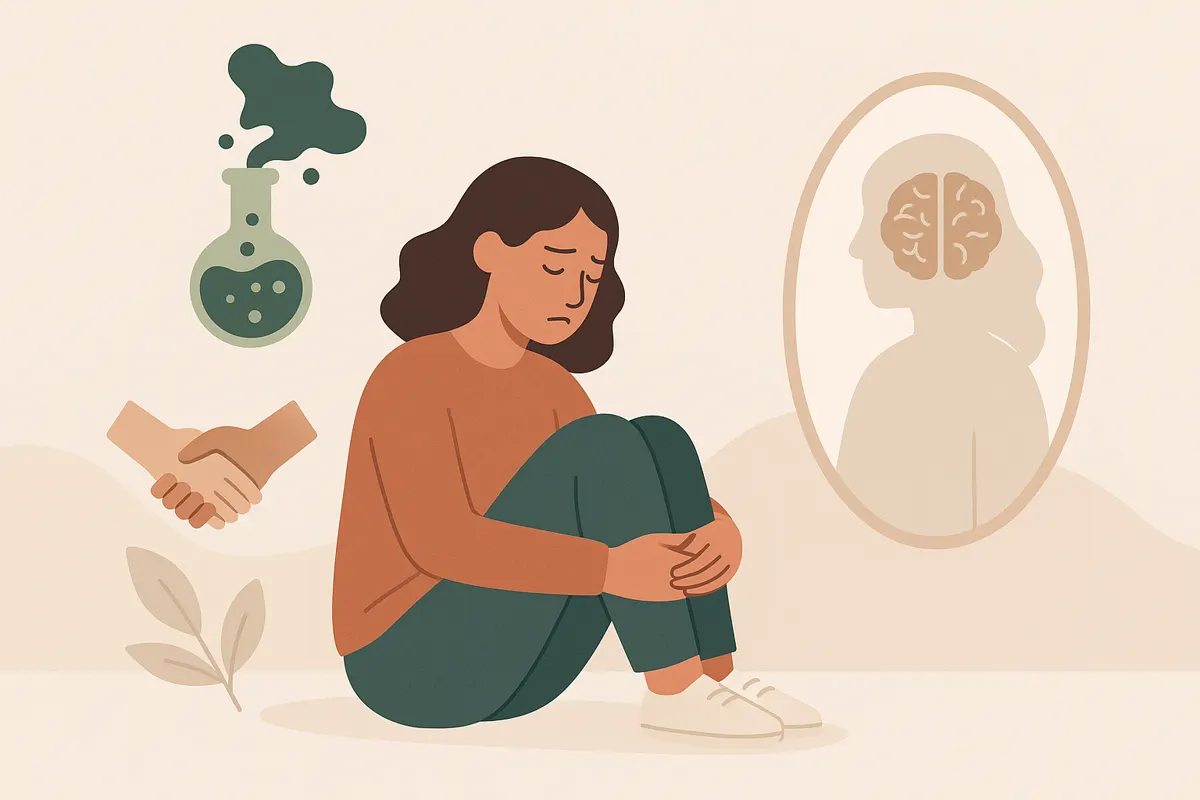
Toxic friends often undermine your confidence, ignore your boundaries, or make you feel drained after interactions. Common signs include constant criticism, manipulation, or making everything about themselves. Naming these behaviors honestly is the first step - write them down or talk them through with someone you trust.
Set Clear Boundaries
Once you’ve identified the specific actions that hurt you, communicate your boundaries. Tell your friend directly, using examples: “When you dismiss my feelings, I feel unheard.” Be specific about what needs to change. If you’re unsure how your friends perceive you or your boundaries, try sharing a Blindspot quiz for anonymous feedback. Sometimes, outside perspectives reveal patterns you may not see.
Stop Over-Investing
It’s easy to keep giving more in hopes things will improve, but healthy friendships are balanced. Notice if you’re always the one reaching out, apologizing, or making plans. Scale back your emotional investment and see if your friend reciprocates effort or understanding.
Decide on Next Steps: Change or Distance
- Try an honest conversation: Calmly share how their actions affect you and what you’d like to see change. Give them a chance to respond.
- Monitor changes: If their behavior improves and the friendship feels lighter, you may be able to rebuild trust. If nothing changes or you feel worse, it’s okay to step back.
- Protect your wellbeing: You can care about someone and still choose distance if that’s healthier for you. Surround yourself with supportive people who respect your boundaries.
Reflect and Seek Feedback
It’s normal to question yourself after a toxic friendship. Getting honest feedback from others can help you see the situation more clearly. Tools like Blindspot let you ask friends anonymously how they experience your friendship, which can help you understand your own blind spots and grow from the experience.
Wondering how your friends really feel about you? Blindspot turns their anonymous answers into honest insight. Take the quiz.
Try BlindspotFAQ
What are the signs of a toxic friend?
Signs include constant criticism, manipulation, ignoring your boundaries, or leaving you feeling drained after interactions.
How do I set boundaries with a toxic friend?
Clearly state what behavior is hurtful and what you need to change. Be specific and direct, and repeat your boundaries if needed.
Should I end a toxic friendship immediately?
Not always. Try an honest conversation first. If nothing changes, it’s okay to create distance to protect your wellbeing.
How can I tell if the problem is me or my friend?
Ask for feedback from trusted friends, or use tools like Blindspot to get anonymous perspectives on how others see you.
Is it normal to feel guilty about distancing myself?
Yes, it’s common to feel guilt, but your wellbeing matters. You can care for someone and still set boundaries for your own health.