What Is a Personality Blind Spot? Understanding the Gaps in Self-Perception
A personality blind spot is a trait or behavior you don't notice in yourself, but others do. Learn how to identify and overcome them for better self-awareness.
What Is a Personality Blind Spot? Understanding the Gaps in Self-Perception
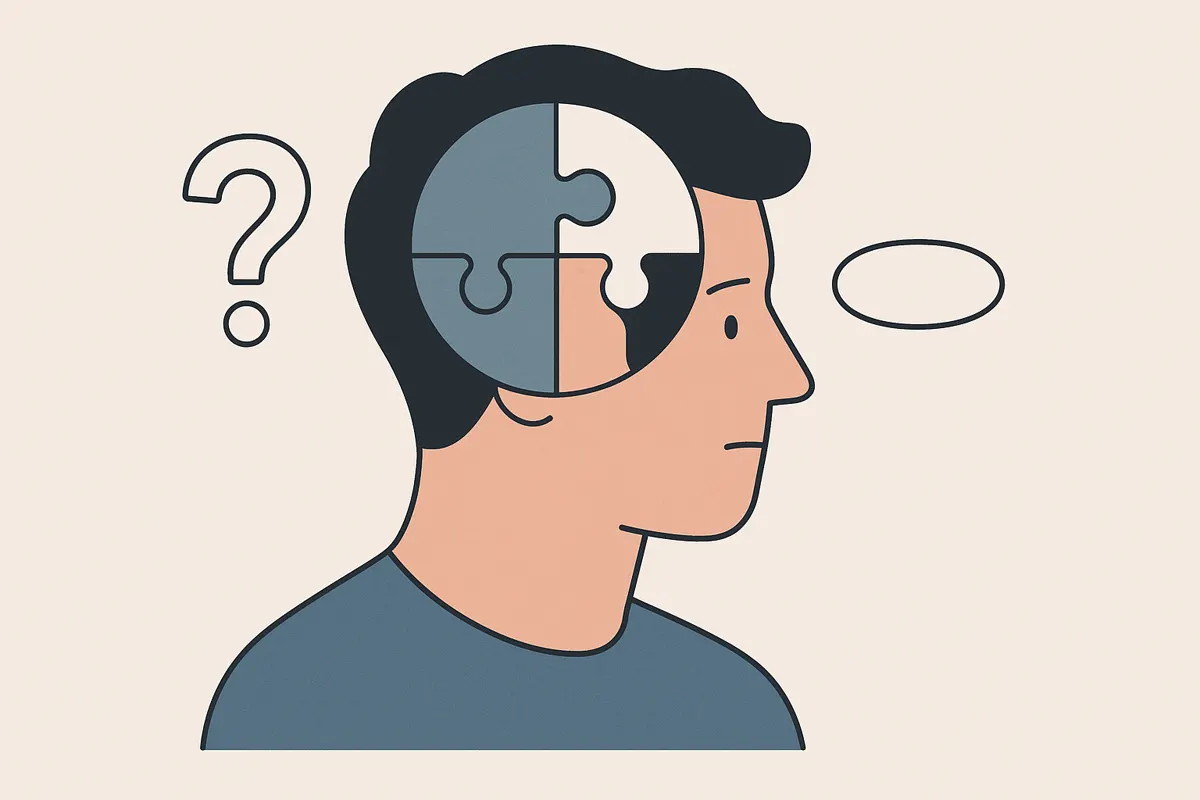
Every person has qualities and behaviors that shape how they interact with the world. While some of these are obvious to us, others are hidden from our own awareness. These hidden aspects are known as personality blind spots. Recognizing and addressing them is a crucial step toward personal growth and better relationships.
Defining Personality Blind Spots
A personality blind spot is a trait, habit, or behavior that is evident to others but remains unnoticed by the individual. These can be positive or negative and often influence how we are perceived in social or work environments. For example, you may see yourself as a good listener, while friends might notice you interrupt frequently. Such gaps between self-perception and external perception can affect communication, trust, and collaboration.
Why Do Blind Spots Occur?
- Lack of Feedback: Without honest feedback from others, it’s easy to overlook certain behaviors.
- Cognitive Bias: We naturally view ourselves through a personal lens, which can distort our self-image.
- Emotional Defenses: Sometimes, it’s uncomfortable to confront traits that do not align with our self-concept, so we unconsciously ignore them.
- Habitual Actions: Repeated behaviors can become automatic, making them hard to notice without outside input.
Personality blind spots are a normal part of being human. What's important is how we approach discovering and addressing them.
How to Identify Your Blind Spots
Identifying blind spots requires a combination of self-reflection and external perspectives. Here are some effective ways to uncover them:
- Seek Honest Feedback: Ask trusted friends, colleagues, or mentors for specific examples of behaviors you may not notice.
- Use Self-Discovery Tools: Apps like Blindspot analyze your facial features and expressions to provide personalized insights, helping you see how others might perceive you.
- Reflect on Patterns: Notice if you receive similar feedback from multiple sources. Repeated themes often indicate a blind spot.
- Practice Active Listening: Pay close attention to how others respond to you in conversation. Nonverbal cues can reveal more than words.
Overcoming Blind Spots for Growth
Once you become aware of a blind spot, it’s important to approach it with curiosity rather than defensiveness. Recognize that everyone has them and that addressing blind spots leads to more authentic relationships and personal development. Consider setting small, specific goals to adjust your behavior and ask for ongoing feedback to track your progress.
In summary, personality blind spots are the unseen elements of ourselves that can impact how we connect with others. By actively seeking feedback and embracing tools that offer new perspectives, you can bridge the gap between how you see yourself and how others experience you.
Get a personalized read from Blindspot.
Try Blindspot