How to Read Body Language: A Practical, Warm Guide
Reading body language means noticing clusters of signals and context, not jumping to conclusions from a single gesture. Here’s how to do it well.
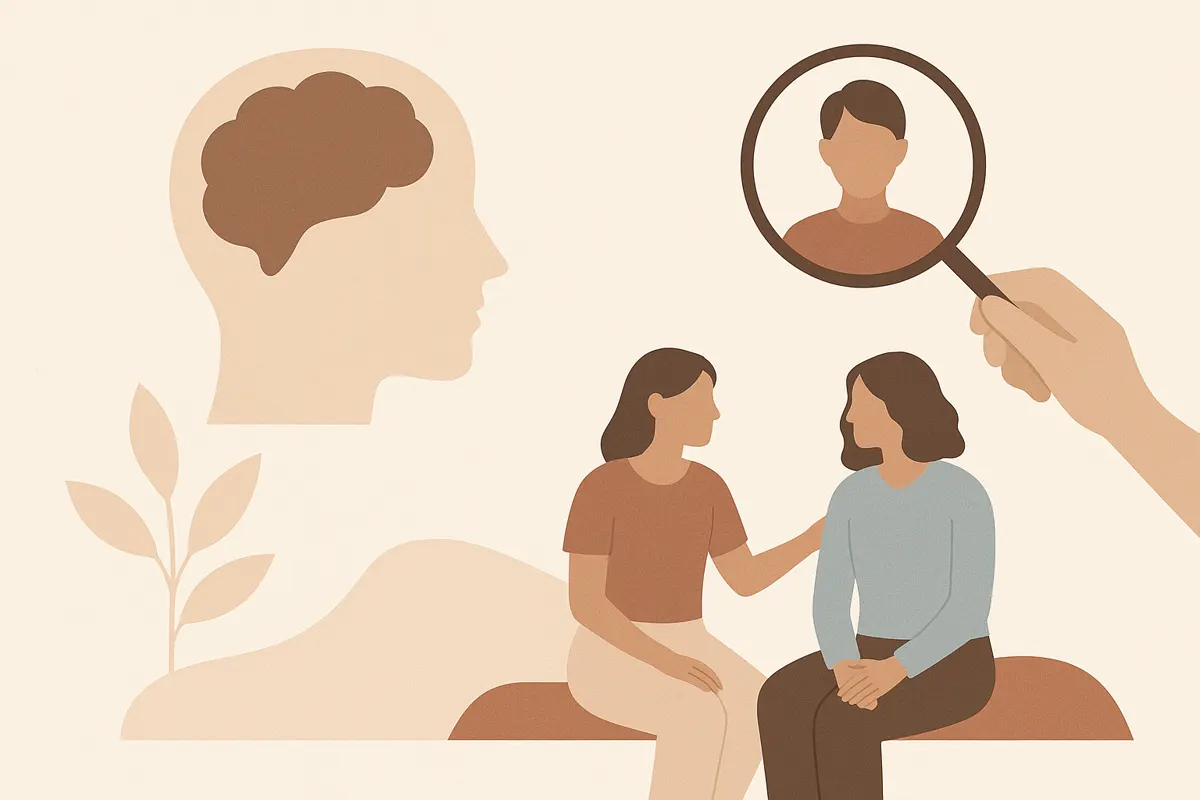
Start by Observing Clusters, Not Isolated Gestures
Body language is complex. One crossed arm or a yawn doesn’t tell the whole story. Look for several signals at once - like open posture, leaning in, and genuine smiles (with eye crinkles) - to suggest engagement. Discomfort may show as crossed arms, turning away, or less eye contact, but only if these appear together or change from someone's usual behavior.
Notice Changes from Baseline Behavior
Everyone has their own normal way of sitting, standing, and gesturing. Pay attention to shifts: if someone who’s usually animated becomes withdrawn, or if a friend who typically avoids eye contact suddenly holds your gaze, that change can be meaningful.
Use Body Language as a Prompt, Not a Judgment
- See a cluster of signs? Gently check in. For example, "You seem quiet - everything okay?"
- Remember, context matters: a person may cross their arms due to being cold, not closed off.
- Never assume someone’s feelings based on a single gesture.
Apply These Skills in Everyday Interactions
- In conversations, look for mirroring (copying your posture or gestures), which often means comfort and connection.
- Notice if someone leans in or angles their body toward you; this typically signals interest.
- Watch for genuine smiles that reach the eyes, especially after a joke or positive comment.
Discover How Others See Your Body Language
It’s easy to miss how your own signals come across. With Blindspot, your friends can anonymously share how they perceive you - including your body language and presence. Take the quiz and invite friends to reveal your social blind spots, helping you grow and connect more authentically.
Want to know how you actually come across? Blindspot turns your friends' anonymous answers into honest insight - take the quiz.
Try BlindspotFAQ
What are the most reliable signs of engagement in body language?
Look for open posture, leaning in, mirroring your movements, and genuine smiles that crinkle the eyes. These signals together often indicate someone is engaged.
Can I trust a single gesture to tell me how someone feels?
No. Body language should be read in clusters and context. One gesture alone is not a reliable indicator of someone's feelings.
How can I improve my own body language?
Practice open posture, make comfortable eye contact, and smile genuinely. Ask friends for honest feedback - tools like Blindspot can help you see yourself through others’ eyes.
What should I do if someone’s body language seems closed off?
Don’t judge or assume. Gently check in with them, or consider if there are external factors (like being cold or tired) before drawing conclusions.
How does Blindspot help with understanding body language?
Blindspot lets your friends give anonymous feedback on how they perceive you, including your body language, so you can discover any blind spots and improve your social skills.