Signs You Might Be a Toxic Friend: The Honest Guide
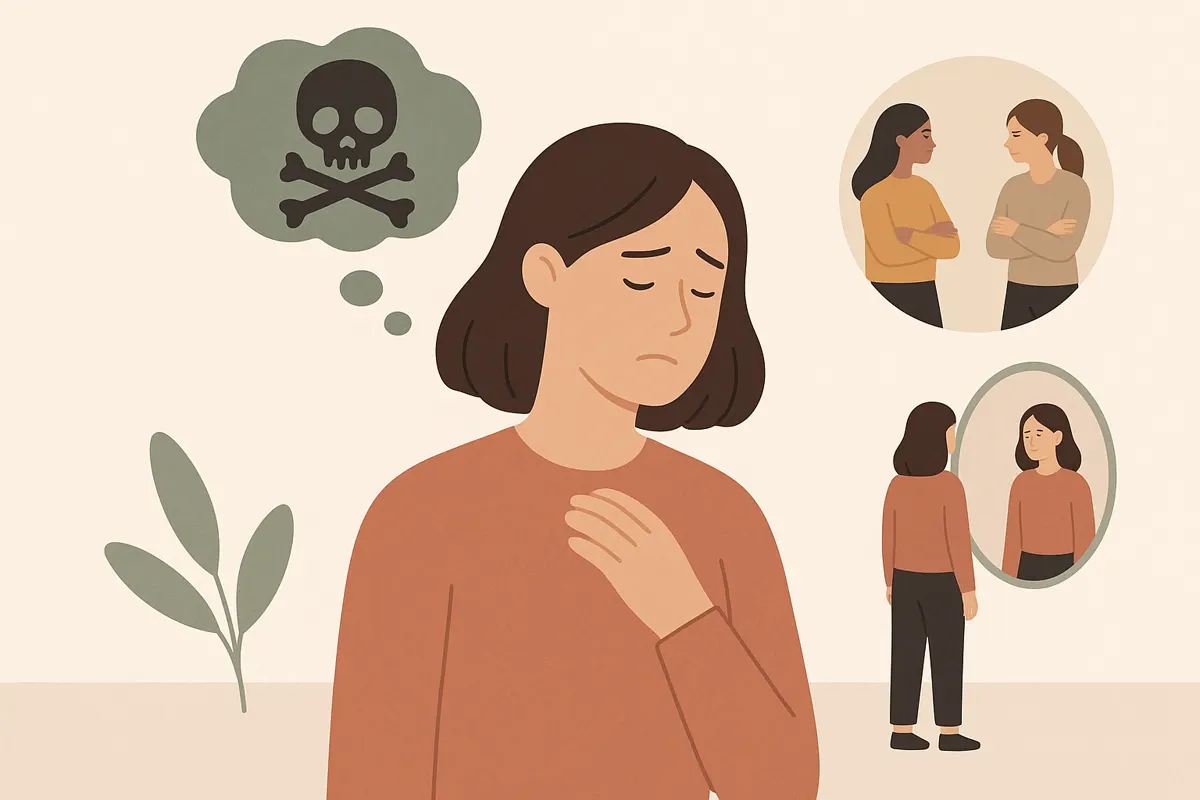
Toxic friendship signs are often blind spots - most people don’t realise when their actions hurt others. Here’s how to spot the real behaviours that signal you might be a toxic friend.
1. Making Conversations About Yourself
If you often steer discussions back to your own experiences or struggles, you might be missing chances to support your friends. Watch for patterns where you rarely ask follow-up questions or let your friend's news take center stage.
2. Feeling Competitive With Their Success
Do you feel envy or downplay your friend's achievements? Toxicity can show up as subtle jealousy, dismissing their good news, or always trying to 'one-up' them instead of celebrating together.
3. Only Showing Up When Convenient
- Consistently canceling plans last minute
- Rarely offering help unless it benefits you
- Being unavailable during your friend's tough times
These behaviours signal unreliability and a lack of mutual support.
4. Guilt-Tripping Friends
If you make friends feel bad for setting boundaries or not meeting your needs, you might be guilt-tripping. This can look like passive-aggressive comments or making them feel responsible for your emotions.
5. Venting Without Reciprocating
Constantly unloading your problems without listening or supporting your friends in return is a common toxic pattern. Healthy friendships involve give and take - notice if you rarely ask how they are or offer help.
Most people struggle to see these patterns in themselves. Honest, anonymous feedback from friends can reveal blind spots. Tools like Blindspot let you send a short quiz and see how your friends really experience your behaviour.
Want to know for sure how your friends see you? Blindspot turns their anonymous answers into your real blind spots - take the quiz.
Try BlindspotFAQ
What are the most common signs of being a toxic friend?
Common signs include making things about yourself, competing with friends, only showing up when convenient, guilt-tripping, and not reciprocating support.
How can I tell if I'm a toxic friend?
Look for repeated patterns like self-centered conversations, jealousy, unreliability, guilt-tripping, or venting without listening. Anonymous feedback from friends can help reveal blind spots.
Can toxic behaviour be unintentional?
Yes, most toxic behaviours are blind spots. People rarely notice them in themselves, which is why honest feedback from friends is important for self-awareness.
How can I get honest feedback from my friends?
Ask for anonymous feedback using a tool like Blindspot, where friends answer a short quiz about your behaviours. This helps reveal how they truly see you.
What should I do if I recognise these signs in myself?
Acknowledge the behaviour, apologise if needed, and actively work to change. Listening to honest feedback and making small, consistent changes builds healthier friendships.