Friendship Red Flags: What to Watch For and What to Do
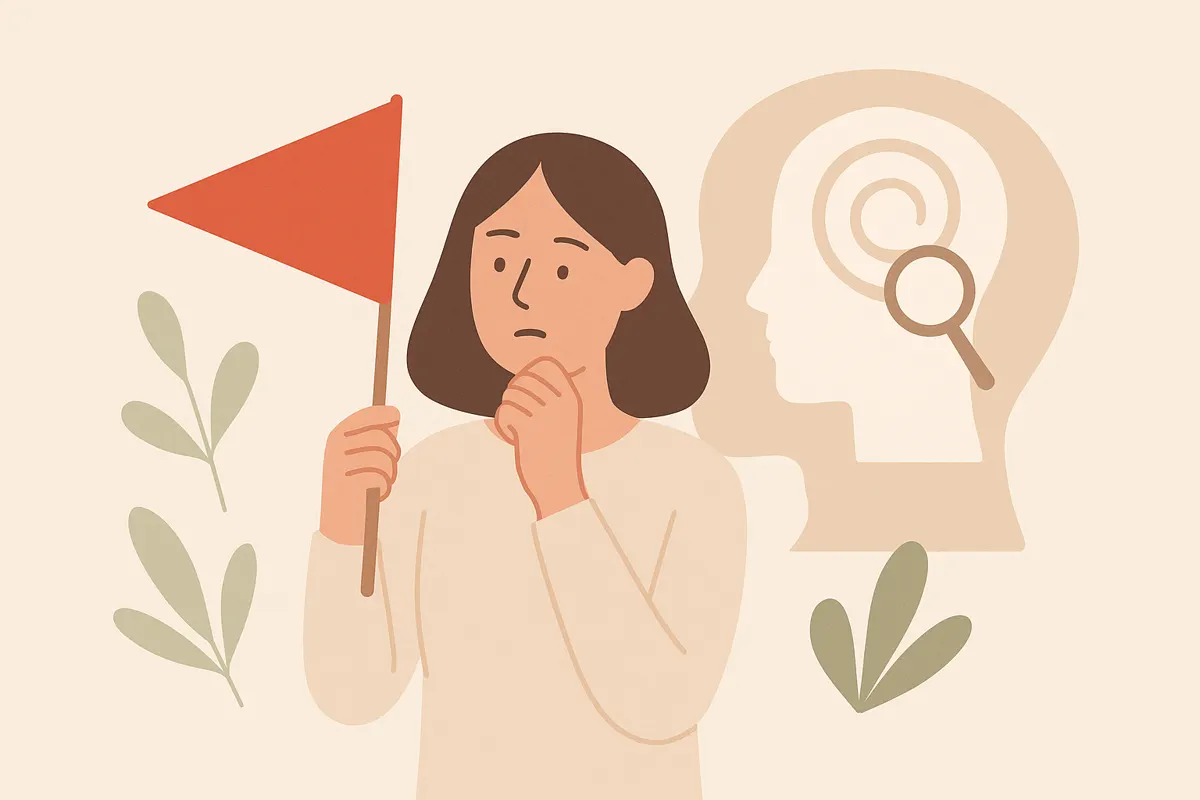
Friendship red flags are patterns of behavior that signal a friendship may be unhealthy or one-sided. Recognizing these signs early helps protect your well-being and guide your next steps.
What Are the Most Common Friendship Red Flags?
- They only reach out when they need something: If a friend contacts you mainly for favors or support, but rarely checks in otherwise, it’s a sign the relationship may be transactional.
- They compete with your wins: A real friend celebrates your achievements. If they downplay your successes or shift focus to their own, it can signal insecurity or lack of support.
- They break your confidence: Sharing your secrets or personal stories with others without your consent undermines trust and respect.
- They guilt-trip you: If you feel manipulated into doing things through guilt or obligation, this is a red flag. Healthy friendships respect boundaries and choices.
- They disappear when you struggle: Real friends show up in tough times. If someone is only present during your highs, but absent during your lows, the bond may be superficial.
- Conversations are always about them: If discussions revolve around their life and needs, with little interest in yours, the friendship may lack balance.
Patterns vs. One-Offs: When to Be Concerned
Everyone makes mistakes or has off days. One-time slips can be forgiven, but consistent patterns of the behaviors above are warning signs. If you notice these red flags repeating over time, it’s worth taking a step back and assessing the friendship honestly.
What Should You Do If You Notice Red Flags?
- Reflect: Consider how the friendship makes you feel. Are you often drained, anxious, or undervalued?
- Communicate: If you feel safe, talk to your friend about your feelings. Use “I” statements and share specific examples.
- Set boundaries: Limit contact or say no to requests that feel one-sided or manipulative.
- Seek perspective: Sometimes our view is limited. Ask trusted friends for their honest take, or use tools like Blindspot to anonymously gather feedback from your circle and see if others notice the same patterns.
How to Use Honest Feedback to Grow
Getting a clearer picture of how your friends see you can help you understand your role in the friendship dynamic. Blindspot lets you invite your friends to share anonymous feedback, revealing possible blind spots in how you relate to others. This can help you identify not just red flags in others, but also areas where you can grow as a friend yourself.
Wondering how your friends really feel about you? Blindspot turns their anonymous answers into honest insight. Take the quiz.
Try BlindspotFAQ
What is a friendship red flag?
A friendship red flag is a recurring behavior that signals the relationship may be unhealthy, one-sided, or lacking trust and respect.
Is it normal for friends to make mistakes?
Yes, everyone slips up sometimes. What matters is whether the behavior is a consistent pattern or a one-time event.
How can I address red flags in a friendship?
Start by reflecting on your feelings, then communicate honestly and set boundaries. If needed, limit contact or seek support from others.
How do I know if I’m the one showing red flags?
It can be hard to self-assess. Asking friends for honest, anonymous feedback using tools like Blindspot can reveal how others experience your friendship.
Can a friendship recover from red flags?
Sometimes, if both people are willing to communicate and change. If red flags persist, it may be healthier to step back from the friendship.