Questions to Ask for Honest Feedback: Practical, Accurate Advice
The quality of feedback you receive depends on the questions you ask. Specific, behavior-focused questions get you honest, useful answers - vague ones do not.
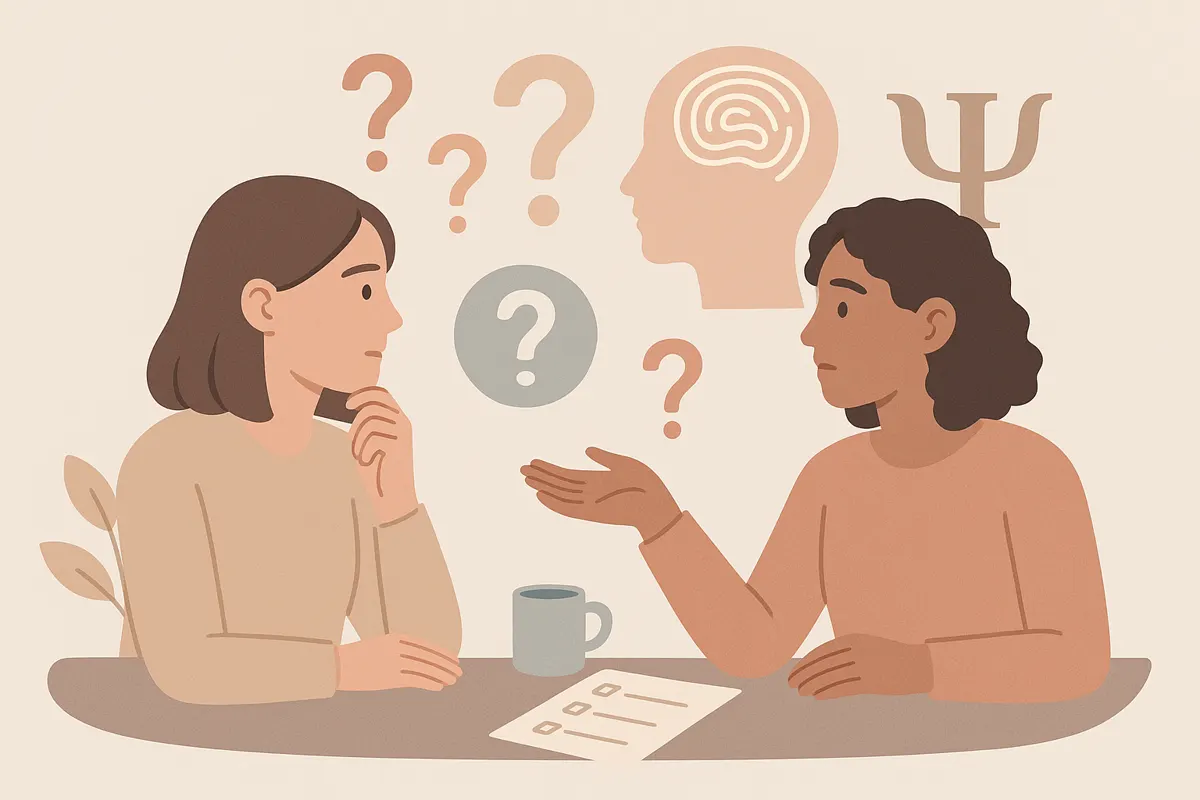
Why Specific Questions Matter
General questions like “How am I doing?” usually get you polite or non-committal responses. To get honest, actionable feedback, ask about specific behaviors or situations. This helps others give you concrete examples, making their feedback easier to understand and use.
Examples of Effective Feedback Questions
- “What’s one thing I could do to be a better friend?”
- “How do I come across when I disagree with someone?”
- “What do I do that annoys you?”
- “When am I at my best around others?”
These questions invite honest answers because they are clear, focused, and easy for someone to answer with real observations.
How to Ask for Honest Feedback
- Be clear about your intentions: Let people know you’re looking to improve, not just fishing for compliments.
- Choose the right setting: Some people give more honest feedback anonymously or in writing.
- Listen without defending: Show appreciation for honesty, even if it’s hard to hear.
If you want to find out how your friends really see you, you can use the Blindspot app. Share a short quiz and receive anonymous, honest feedback to discover your true blind spots.
What to Do With Honest Feedback
Reflect on the feedback you receive. Look for patterns rather than focusing on single comments. Use the insights to set specific goals for growth. Honest feedback is most valuable when you act on it.
Anonymous feedback reveals what people won't say to your face - Blindspot turns your friends' honest answers into your blind spots. Take the quiz.
Try BlindspotFAQ
What are good questions to ask for honest feedback?
Good questions are specific and behavior-focused, such as 'What’s one thing I could do to be a better friend?' or 'How do I come across when I disagree?'
How can I encourage honest feedback from others?
Explain you want to improve, ask specific questions, and make it safe for people to be truthful - consider letting them answer anonymously.
Why is anonymous feedback often more honest?
People may be more truthful when their identity is hidden, as they feel less pressure to protect your feelings or avoid conflict.
What should I do after receiving honest feedback?
Reflect on the feedback, look for patterns, thank the person, and use the insights to make specific changes or set goals.
Can I use an app to get honest feedback from friends?
Yes, tools like Blindspot let you share a quiz for friends to answer anonymously, helping you discover how others truly see you.